قائمة طعام
قائمة طعام
يمكن أن يؤدي تكسر البيض، وبطء عملية الجمع اليدوي، وتلوث البيض، وارتفاع تكاليف العمالة إلى تقليل أرباح مزارع الدجاج البياض بهدوء. لإنتاج البيض التجاري، يتطلب الأمر تصميمًا جيدًا جمع البيض داخل المنزل يساعد النظام على نقل البيض بسلاسة داخل حظيرة الدواجن قبل وصوله إلى التجميع المركزي أو الفرز أو التعبئة.
جمع البيض داخل المزرعة هو عملية نقل البيض من الأقفاص أو الأعشاش إلى نقاط التجميع داخل حظيرة الدواجن باستخدام الأحزمة أو السيور الناقلة أو المصاعد أو طاولات التجميع. يساعد ذلك مزارع الدواجن على تقليل التعامل اليدوي، وخفض نسبة تكسر البيض، وتحسين النظافة، وزيادة كفاءة الجمع اليومي.
جمع البيض داخل المنزل يشير هذا إلى عملية مناولة البيض التي تتم داخل حظيرة الدواجن. بعد أن تضع الدجاجات البيض، ينتقل البيض من الأقفاص أو الأعشاش إلى سيور نقل البيض أو خطوط التجميع. ومن هناك، يمكن نقله إلى طاولة تجميع يدوية، أو وحدة تجميع بالرفع، أو نظام تجميع مركزي للبيض، أو ناقل البيض.
بالنسبة للمزارع التجارية، يُعد هذا النظام أكثر من مجرد سير ناقل، فهو جزء لا يتجزأ من عملية إنتاج البيض بأكملها. يجب أن يتناسب النظام الجيد مع تصميم الأقفاص، وطول حظيرة الدواجن، وسعة الطيور، وتواتر جمع البيض، وخطة الأتمتة المستقبلية.
الرعاة الكبار نظام جمع البيض تم تصميمها للتعامل مع البيض بكفاءة ونظافة وتقليل التلف، مع خيارات مثل الجمع اليدوي، والأعشاش الأوتوماتيكية ذات الفتحة الواحدة، والأعشاش الأوتوماتيكية الجماعية.
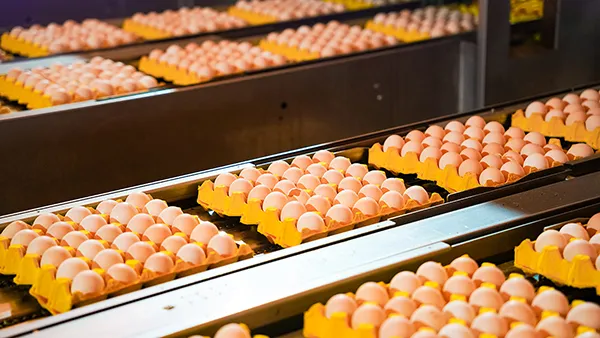
في المزارع الصغيرة، قد يجمع العمال البيض يدويًا. ولكن مع توسع المزرعة، يصبح جمع البيض يدويًا أبطأ وأكثر تكلفة وأقل انتظامًا. وقد يبقى البيض لفترة أطول في الأقفاص أو الأعشاش، مما يزيد من خطر التشققات والأوساخ وفقدانه أثناء النقل.
يساعد نظام جمع البيض الحديث داخل المزارع على حل العديد من المشاكل:
| تحدي المزرعة | فوائد النظام |
|---|---|
| ارتفاع الطلب على العمالة | يقلل من عمليات التقاط البيض اليدوية المتكررة |
| انكسار البيض | يحرك البيض بلطف وبشكل أكثر اتساقًا |
| بيض قذر | يقلل من الاتصال غير الضروري والتعرض المنزلي |
| عملية جمع بطيئة | يسرّع حركة البيض اليومية |
| سير عمل غير منتظم | يُسهم ذلك في إنشاء عملية تحصيل أكثر قابلية للتنبؤ |
| توسيع المزرعة | يدعم صفوف الأقفاص الأكبر وإنتاج البيض الأعلى |
بالنسبة للمزارع التي تخطط لبناء حظائر جديدة للدجاج البياض،, معدات إنتاج البيض ينبغي تصميمها كنظام متصل، وليس كآلات منفصلة.
قد يشتمل نظام جمع البيض العملي على عدة أجزاء. ويعتمد التكوين الدقيق على تصميم حظيرة الدواجن ومستوى الأتمتة.
تشمل المكونات الشائعة ما يلي:
تُسلّط معلومات منتجات جمع البيض من شركة بيج هيردسمان الضوء على الوحدات الوظيفية مثل أجهزة تخزين البيض، وأحزمة جمع البيض، وصناديق التروس، وأنظمة جمع البيض بالمصاعد، وطاولات الجمع اليدوية. تُساعد هذه الوحدات في توفير حلول فعّالة وموثوقة ومنخفضة التلف لتلبية احتياجات المزارع المختلفة.
أما بالنسبة للمزارع الأكبر حجماً، ناقل البيض يمكن ربط حظائر الدواجن بمناطق التجميع أو التعبئة ودعم نقل البيض بكميات كبيرة.
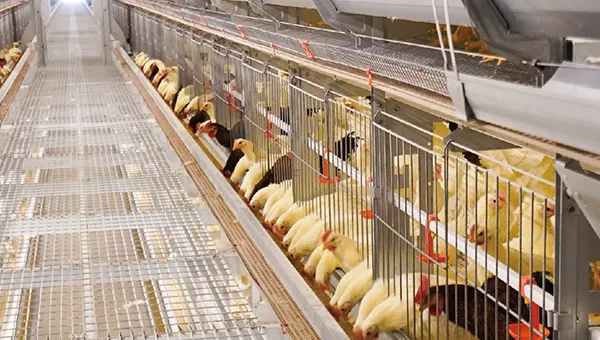
يؤثر تصميم أقفاص الدجاج البياض بشكل كبير على كفاءة جمع البيض. فإذا لم تتطابق ميول الأقفاص، وموضع الحزام الناقل، وعرض الممر، ومسار الجمع، فقد لا يتحرك البيض بسلاسة.
حديث نظام القفص الطبقي ينبغي التخطيط لهذه العمليات بالتزامن مع جمع البيض، والتغذية، والشرب، وإزالة الروث، والتحكم في المناخ. تُبرز صفحة أقفاص الدجاج البياض من شركة "بيج هيردسمان" نظام جمع البيض الآلي، والتنظيف الفعال للروث، والتحكم في المناخ، لتوفير بيئات إنتاج بيض صحية.
عند تصميم النظام، ينبغي على المزارع مراعاة ما يلي:
| نقطة التصميم | لماذا يهم ذلك |
|---|---|
| طول صف القفص | يؤثر على طول الحزام وتوقيت التجميع |
| رقم مستوى القفص | يؤثر على تصميم المصاعد أو وسائل النقل |
| وضع حزام البيض | يؤثر على ثبات التدحرج وسلامة المناولة |
| ممر التجميع | يؤثر على وصول العمال وعمليات التفتيش |
| مسار التجميع المركزي | يؤثر على العمالة وسير العمل |
| التوسع المستقبلي | يساعد على تجنب إعادة التصميم لاحقاً |
تبدأ خطة جمع البيض الجيدة داخل المنزل بتصميم حظيرة الدواجن، وليس بعد تركيب نظام الأقفاص.
يُعدّ جمع البيض يدويًا بسيطًا ومنخفض التكلفة في البداية، وقد يناسب المزارع الصغيرة أو المزارع ذات الإنتاج المنخفض من البيض. ولكن مع ازدياد الإنتاج، يصبح التحكم في عملية الجمع اليدوي أكثر صعوبة.
تستخدم عملية جمع البيض الآلية داخل المزرعة أحزمة ناقلة ومعدات نقل لنقل البيض بشكل أكثر انتظامًا، مما يقلل من حاجة العمال إلى التجول في المزرعة بشكل متكرر والتعامل مع البيض يدويًا.
| العامل | مجموعة الكتيبات | مجموعة مُجددة |
|---|---|---|
| التكلفة الأولية | أقل | أعلى |
| مطالب العمال | عالية | أقل |
| التعامل مع البيض | مزيد من الاتصال اليدوي | تقليل الاحتكاك اليدوي |
| التحكم في الأعطال | يعتمد على العمال | أكثر اتساقًا |
| حجم المزرعة المناسب | المزارع الصغيرة أو البسيطة | المزارع المتوسطة والكبيرة |
| الكفاءة على المدى الطويل | محدود | أقوى |
بالنسبة للمشترين في قطاع الأعمال، لا ينبغي أن يستند القرار إلى سعر المعدات فقط. السؤال الحقيقي هو مقدار العمالة، وفقدان البيض، ووقت الإدارة الذي يمكن أن يوفره النظام على مدى عدة سنوات.
يلعب ناقل البيض دورًا أساسيًا عندما تحتاج المزارع إلى نقل البيض لمسافات طويلة أو ربط صفوف متعددة من الأقفاص بنقطة تجميع. فهو يساعد على نقل البيض بسلاسة ويقلل من عمليات النقل اليدوي المتكررة.
يُوصَف ناقل البيض من شركة "بيج هيردسمان" بأنه نظام عالي السرعة يتميز بنقل سلس للبيض مع تقليل احتمالية تكسره. وتشير صفحة المنتج إلى أن النظام قادر على جمع ما يصل إلى 65,000 بيضة في الساعة، ويستخدم إطارات من سبائك الألومنيوم المقاومة للصدأ مع سلاسل من فولاذ المنغنيز عالي المتانة.
يعمل النظام الداخلي بشكل أفضل عندما يتم اختيار ناقل البيض وفقًا لتصميم القفص، وطول المنزل، واتجاه التجميع، وسير عمل التعبئة.
تتطلب مزارع تربية الدجاج عناية فائقة في التعامل مع البيض، لأن البيض المخصب أغلى قيمة من بيض المائدة العادي. فالتشققات والاهتزازات الشديدة وسوء التعامل قد تقلل من نسبة الفقس.
A قفص تربية الدجاج البياض يدعم هذا النظام جمع البيض بشكل مستقر، ويقلل من تكسر البيض، ويوفر خطوط شرب قابلة للتعديل، ويراقب المناخ تلقائيًا. كما تُبرز معلومات المنتج تصميم قفص كبير وتوافقًا مناسبًا بين الذكور والإناث لتحسين أداء الإخصاب.
كلما ارتفعت قيمة البيض، زادت أهمية عملية التجميع السلس.
تبدأ نظافة البيض داخل حظيرة الدواجن. فإذا بقي البيض لفترة طويلة في أماكن قذرة أو تم التعامل معه مرات عديدة، يزداد خطر التلوث.
يُسهم نظام جمع البيض المصمم جيداً داخل المزرعة في نقل البيض بعيداً عن مناطق وضع البيض بكفاءة أكبر. كما أنه يقلل من احتكاك العمال المتكرر، مما يدعم التعامل النظيف مع البيض.
تعتمد النظافة الصحية الأفضل للبيض على عمل عدة أنظمة معًا:
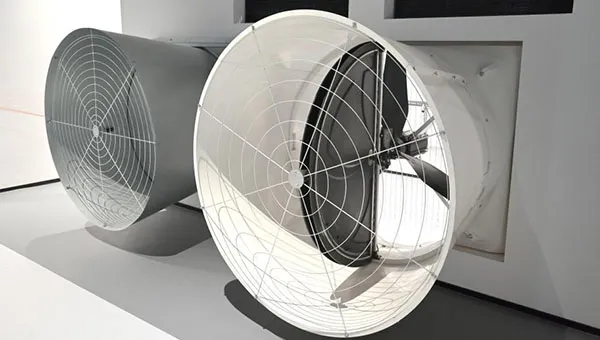
الرعاة الكبار حلول التحكم البيئي وتشمل هذه الأنظمة المراوح، وأنظمة التحكم الذكية، والأضواء، والسخانات، ومداخل الهواء، وأجهزة التحكم، والستائر، والأبواب اللوحية، ووسادات التبريد لتنظيم المناخ وتحسين أداء حظيرة الدواجن.
قد يبدو التحكم في المناخ منفصلاً عن جمع البيض، ولكنه يؤثر بشكل مباشر على جودة البيض وعمليات المزرعة. فارتفاع الرطوبة وضعف التهوية وعدم استقرار درجة الحرارة قد تجعل إدارة حظيرة الدواجن أكثر صعوبة.
يساعد التحكم الجيد في المناخ على الحفاظ على:
بالنسبة لبيوت الدواجن التي تحتاج إلى تحسين في إحكام الإغلاق والتحكم في تدفق الهواء، باب لوحة يمكن أن يدعم أداء العزل والتهوية كجزء من نظام التحكم البيئي الكامل.
عندما تكون درجة الحرارة وتدفق الهواء والرطوبة مستقرة، يمكن لنظام جمع البيض أن يعمل في بيئة أنظف وأكثر قابلية للتنبؤ.
يُعدّ التخلص من السماد أحد أهم أنظمة دعم جمع البيض. فسوء التعامل مع السماد قد يزيد من نسبة الأمونيا والروائح الكريهة والرطوبة، ويزيد من خطر التلوث داخل حظيرة الدواجن.
يُسهّل حظيرة الدواجن النظيفة عملية جمع البيض ويُحسّن ظروف العمل. (بيج هيردسمان) أنظمة نقل السماد يساعد في نقل روث الدواجن بعيدًا عن مناطق الأقفاص ويدعم إدارة المزارع بشكل أنظف.
أما بالنسبة للمزارع الأكبر حجماً، ناقل السماد الخارجي يمكن نقل السماد خارج حظيرة الدواجن إلى مناطق التخزين أو المعالجة. وهذا يدعم النظافة بشكل أفضل ويساعد على إبقاء عملية جمع البيض أنظف.
ينبغي التخطيط لجمع البيض وإزالة السماد والتهوية معاً. فعندما تعمل هذه العمليات كنظام واحد، تصبح إدارة المزرعة أسهل بكثير.
يبدأ اختيار النظام المناسب ببيانات المزرعة. يحتاج المورد إلى فهم تصميم الحظيرة، ونوع القفص، وإنتاج البيض اليومي، وتوافر العمالة، وأهداف الأتمتة قبل التوصية بالمعدات.
قبل اختيار نظام جمع البيض داخل المزرعة، يجب على أصحاب المزارع التأكد مما يلي:
| سؤال التخطيط | لماذا يهم ذلك |
|---|---|
| كم عدد الدجاجات في كل بيت؟ | يحدد القدرة على جمع البيانات |
| ما هو نظام الأقفاص المستخدم؟ | يؤثر على تصميم الحزام والنقل |
| كم يبلغ طول حظيرة الدواجن؟ | يؤثر على طول الناقل وتصميم المحرك |
| كم عدد الطبقات المثبتة؟ | يؤثر على احتياجات المصاعد أو النقل |
| أين نقطة التجميع؟ | يؤثر على اتجاه تدفق البيض |
| هل يتم تغليف الأغراض في مكان قريب؟ | يؤثر على اتصال الناقل |
| هل ستتوسع المزرعة لاحقاً؟ | يؤثر على قابلية توسع النظام |
لا ينبغي للمورد المحترف أن يوصي بنظام قياسي واحد فقط. بل يجب أن يتناسب النظام مع تصميم المزرعة الفعلي وهدف الإنتاج.
تنشأ العديد من مشاكل جمع البيض من أخطاء في التصميم الأولي. وبمجرد بناء حظيرة الدواجن وتركيب المعدات، قد تصبح التغييرات مكلفة.
تشمل الأخطاء الشائعة ما يلي:
بالنسبة للمزارع التي تخطط لمشروع جديد،, أنظمة إنتاج الدواجن الكاملة يمكن أن يساعد في ربط تصميم الأقفاص، ومعالجة البيض، والتغذية، والشرب، والتهوية، وأتمتة المزرعة منذ البداية.
لا ينبغي التعامل مع جمع البيض داخل المزرعة كمنتج منفرد، بل يجب ربطه بتصميم حظيرة الدواجن، ونظام الأقفاص، وأنظمة التغذية والشرب، وإزالة السماد، والتحكم في البيئة، وسير العمل اليومي في المزرعة.
بإمكان شركة تصنيع معدات الدواجن على مستوى النظام المساعدة في التوفيق بين:
تركز شركة بيج هيردسمان على أنظمة تربية الدواجن الآلية المتكاملة، حيث تدمج تطوير المنتجات وتصميم الأنظمة والتصنيع والخدمات. بالنسبة للمشترين من الشركات في الخارج، يساعد هذا في تقليل عدم توافق المعدات ويدعم سلاسة تنفيذ المشاريع.
يمكن لأصحاب المزارع ومستثمري المشاريع ومقاولي الهندسة وموزعي المعدات الاتصال فريق معدات الدواجن في شركة بيج هيردسمان لمناقشة حل مخصص لجمع البويضات داخل المؤسسة.
جمع البيض داخل المزرعة هو عملية نقل البيض من الأقفاص أو الأعشاش إلى نقاط التجميع داخل حظيرة الدواجن باستخدام الأحزمة أو السيور الناقلة أو المصاعد أو طاولات التجميع.
تشمل المعدات الشائعة أحزمة نقل البيض، وأجهزة تخزين البيض، وصناديق التروس، ووحدات تجميع البيض في المصاعد، وطاولات التجميع اليدوية، وخطوط التجميع المركزية، وسيور نقل البيض.
تقوم عملية جمع البيض الآلية بنقل البيض على طول السيور الناقلة، مما يقلل من حاجة العمال إلى جمع البيض يدويًا عبر صفوف الأقفاص الطويلة.
نعم. النظام المصمم جيداً يقلل من عمليات المناولة المتكررة، ويتحكم في حركة البيض، ويساعد البيض على الانتقال بلطف أكبر من مناطق وضع البيض إلى نقاط التجميع.
نعم. تستفيد مزارع تربية الدواجن بشكل كبير من التعامل اللطيف مع البيض لأن البيض المخصب ذو قيمة عالية ويحتاج إلى تقليل مخاطر الكسر.
نعم. يمكن تخصيصها وفقًا لتصميم القفص، وحجم حظيرة الدواجن، وإنتاج البيض اليومي، ومستوى الأتمتة، وموقع نقطة التجميع، وخطط التوسع المستقبلية.
جمع البيض داخل المنزل يُعدّ هذا النظام من أهم الأنظمة في إنتاج البيض التجاري. فهو يساعد المزارع على تقليل العمالة، وحماية جودة البيض، وتحسين النظافة، وخلق سير عمل يومي أكثر سلاسة داخل حظيرة الدواجن.
بالنسبة لمزارع الدجاج البياض ومزارع التكاثر، ينبغي تصميم نظام جمع البيض بالتزامن مع الأقفاص، والناقلات، وإزالة السماد، والتهوية، والتحكم في المناخ. يُمكن لنظام متكامل أن يقلل من نسبة التلف، ويُحسّن الإنتاجية، ويدعم نمو المزرعة على المدى الطويل.
توفر شركة Big Herdsman معدات دواجن متكاملة وحلول جمع بيض مخصصة للمشترين العالميين من الشركات، مما يساعد المزارع التجارية على بناء أنظمة إنتاج بيض فعالة وآلية وقابلة للتطوير.
 English English
  Spanish
 French
 Russian
 Portuguese
 Arabic
 Chinese
 German
 Italian
 Japanese
 Korean
 Turkish
 Vietnamese
 Thai
Thai
 Dutch
Dutch
 Polish
 Indonesian
 Hindi
Hindi
 Bengali
 Urdu
Urdu