
قائمة طعام
قائمة طعام
في قطاع الدواجن الصناعي عام 2026، لم يعد يُنظر إلى رعاية الحيوان على أنها اعتبار أخلاقي بحت، بل أصبحت عاملاً اقتصادياً بالغ الأهمية. فالبيئات شديدة الإجهاد، والإصابات الجسدية، وسوء ظروف التربية تؤدي إلى التهابات جهازية، وانخفاض جودة اللحوم، وزيادة معدل النفوق. راعي كبير يتناول هذا البحث رفاهية الطيور من خلال منظور الهندسة الميكانيكية الحيوية، مما يضمن تصميم الواجهة المادية بين الطائر والآلة - وتحديداً أرضية القفص وآلية الحصاد - لتقليل الصدمات وزيادة العائد البيولوجي إلى أقصى حد.
يقضي الطائر 100% من دورة حياته ملامساً لأرضية القفص. ويؤثر تصميمه على صحة وسادات قدميه، وسلامة مفاصله، ونظافة ريشه.
غالباً ما تؤدي الأرضيات السلكية الصلبة القياسية إلى التهاب الجلد في باطن القدم و"التهاب القدم"، وهي حالات تعمل كنقاط دخول للعدوى البكتيرية.
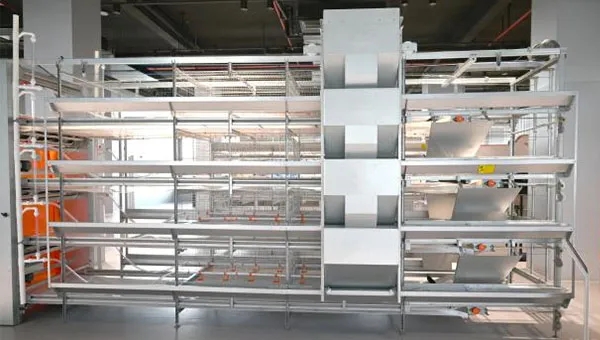
مبدأ الشبكة الزنبركية: تستخدم شركة "بيج هيردسمان" سلكًا عالي الشد مصممًا خصيصًا بمرونة محسوبة. صُممت هذه الأرضية لتتكيف قليلاً مع وزن الطيور، موزعةً الضغط بالتساوي على أقدامها بدلاً من تركيزه في نقطة واحدة.
هندسة الفتحة المثلى: صُممت أبعاد شبكة الأرضية بحيث تسمح بمرور السماد فورًا عبر نظام إزالة السماد، مع توفير سطح ثابت غير قابل للانزلاق للطيور. ويُعدّ الحفاظ على جفاف أقدام الطيور العامل الأهم في الوقاية من الحروق الكيميائية الناتجة عن الأمونيا.
في [إنتاج الدجاج اللاحم]، عندما تكتسب الطيور الوزن بسرعة، فإنها تقضي وقتًا أطول في الراحة.
الطلاءات المضادة للاحتكاك: تُعالج أرضيات أقفاصنا بطبقة جلفنة ناعمة وعالية الجودة، أو بطبقات بوليمرية اختيارية تمنع تآكل الجلد. وهذا يضمن بقاء لحم الصدر - وهو الجزء الأكثر قيمة في الطائر - خالياً من البثور والكدمات، مما ينتج عنه نسبة أعلى بكثير من الذبائح من الدرجة الأولى في مصنع المعالجة.
يُعدّ الانتقال من حظيرة التربية إلى قفص النقل الحدث الأكثر إرهاقًا في حياة الطائر. وغالبًا ما يؤدي الإمساك اليدوي إلى كسور في الأجنحة وكدمات في الأرجل، وارتفاع معدلات نفوق الطيور عند الوصول.
لقد أحدثت شركة بيج هيردسمان ثورة في هذه المرحلة من خلال [نظام الحصاد الآلي].
التحويل السلبي: بدلاً من دخول البشر إلى المنزل والإمساك بالطيور من أرجلها، يستخدم نظامنا آلية انزلاق أرضية ميكانيكية. تنزلق أرضيات الأقفاص أو تميل برفق، مما يسمح للطيور بالانزلاق على سير ناقل ناعم الملمس.
تخفيف التوتر: بفضل التخلص من ديناميكية "المطاردة والإمساك"، تبقى معدلات ضربات قلب الطيور مستقرة. كما أن انخفاض مستويات التوتر يمنع تراكم حمض اللاكتيك في الأنسجة العضلية، وهو السبب الرئيسي لظهور اللحم الشاحب واللين والرطب (PSE) - وهي حالة تؤدي إلى تدهور قوام المنتج النهائي وقدرته على الاحتفاظ بالماء.
تتم إدارة الرحلة من القفص إلى الشاحنة بواسطة نظام نقل متزامن.
الخدمات اللوجستية المتوافقة مع السرعة: يرتبط نظام [التحكم البيئي] بسرعة الحصاد لضمان أنه مع تحرك الطيور نحو المخرج، يتم تعديل التهوية لمراعاة التغير الموضعي في الكثافة.
تغليف لطيف: تُنقل الطيور إلى وحدات النقل عبر واجهة "إنزال سلس"، مما يضمن وضعها بشكل مريح أثناء النقل. ويضمن هذا المستوى من الدقة الميكانيكية الحفاظ على الجودة التي تم الحفاظ عليها خلال فترة النمو حتى مرحلة الذبح.
عندما تستخدم مزرعة ما الهندسة التي تركز على رفاهية الحيوانات من شركة بيج هيردسمان، يظهر عائد الاستثمار في "تقرير المحصول النهائي".“
انخفاض معدلات الإدانة: يقلل الحصاد الآلي من كسور الأجنحة والكدمات بنسبة تصل إلى 80% مقارنة بالصيد اليدوي.
تحسين معدل تحويل الذخيرة: الطيور التي تتمتع بالراحة ولا تعاني من الإصابات تنفق طاقة أقل على الاستجابات المناعية وإصلاح الأنسجة، مما يوجه المزيد من العناصر الغذائية نحو نمو العضلات.
استدامة العمل: يؤدي التشغيل الآلي إلى إزالة الحاجة إلى العمل اليدوي المكثف في منتصف الليل، مما يسمح لموظفي المزرعة بالتركيز على الإدارة العليا والإشراف على الأمن البيولوجي.
تقوم فلسفة شركة بيج هيردسمان على مبدأ أن تخدم الآلة الاحتياجات البيولوجية للدجاج. فمن خلال تحسين نقاط التلامس الميكانيكية في قفص التسمين وأتمتة دورة الحصاد، نخلق بيئةً تتكامل فيها رفاهية الحيوان مع الربحية الصناعية. وفي السوق العالمية التنافسية لعام 2026، ستكون أعلى العوائد من نصيب من يحترمون الاحتياجات البيولوجية للقطيع من خلال هندسة متطورة.
 English English
  Spanish
 French
 Russian
 Portuguese
 Arabic
 Chinese
 German
 Italian
 Japanese
 Korean
 Turkish
 Vietnamese
 Thai
Thai
 Dutch
Dutch
 Polish
 Indonesian
 Hindi
Hindi
 Bengali
 Urdu
Urdu