Luồng không khí kém có thể âm thầm gây hại cho sản xuất gia cầm. Nồng độ amoniac cao, độ ẩm quá mức, căng thẳng do nhiệt độ cao và nhiệt độ không ổn định làm giảm sự thoải mái của gia cầm và tăng áp lực sản xuất. Một hệ thống hiện đại hệ thống thông gió gia cầm Giúp các trang trại gia cầm duy trì điều kiện chăn nuôi lành mạnh hơn, sạch hơn và ổn định hơn.
Hệ thống thông gió chuồng trại gia cầm sử dụng quạt hút, cửa hút gió, tấm làm mát, rèm cửa, bộ điều khiển, máy sưởi và cửa panel để điều chỉnh lưu lượng không khí, nhiệt độ, độ ẩm và chất lượng không khí bên trong chuồng trại. Nó hỗ trợ phúc lợi cho gia cầm, hiệu quả sản xuất và quản lý trang trại gia cầm lâu dài.
Hệ thống thông gió ảnh hưởng đến hầu hết mọi khía cạnh của sản xuất gia cầm. Gia cầm cần không khí trong lành, nhiệt độ ổn định, độ ẩm được kiểm soát và nồng độ amoniac thấp để phát triển tốt.
Thiếu hệ thống thông gió phù hợp:
Các trang trại gia cầm hiện đại dựa vào... hệ thống kiểm soát môi trường Để duy trì điều kiện ổn định hơn trong các mùa và điều kiện khí hậu khác nhau.
Hệ thống thông gió hoàn chỉnh cho gia cầm bao gồm nhiều bộ phận được kết nối với nhau.
| Thiết bị | Chức năng chính |
|---|---|
| Quạt hút | Loại bỏ không khí tù đọng và nhiệt độ cao. |
| Cửa hút gió | Kiểm soát lượng không khí trong lành đi vào |
| Tấm làm mát | Giảm nhiệt độ không khí đầu vào |
| Máy sưởi | Hỗ trợ ấp trứng và thời tiết lạnh |
| Rèm cửa | Giúp điều chỉnh luồng không khí |
| Bộ điều khiển | Tự động hóa hoạt động thông gió |
| Cửa panel | Cải thiện khả năng cách nhiệt và độ kín. |
Hệ thống này cần phù hợp với quy mô chuồng gà, mật độ gà, khí hậu địa phương và mục tiêu sản xuất.
Các trang trại chăn nuôi gia cầm khác nhau sử dụng các phương pháp thông gió khác nhau tùy thuộc vào khí hậu và cấu trúc chuồng trại.
Hệ thống thông gió dạng đường hầm sử dụng quạt hút mạnh mẽ và cửa hút gió để tạo ra luồng không khí nhanh và được kiểm soát xuyên suốt chuồng gia cầm.
Ưu điểm bao gồm:
Thông gió tự nhiên chủ yếu dựa vào các khe hở bên hông, rèm cửa và sự chuyển động tự nhiên của luồng không khí.
Ưu điểm bao gồm:
Đối với các dự án chăn nuôi gia cầm quy mô lớn, hệ thống thông gió dạng đường hầm thường được ưu tiên sử dụng vì nó cung cấp khả năng kiểm soát môi trường tốt hơn.
Tấm làm mát đặc biệt quan trọng ở những vùng khí hậu nóng, nơi mà chỉ thông gió thôi không đủ để giảm nhiệt độ.
Tấm làm mát hoạt động bằng cách hạ nhiệt độ không khí trước khi không khí đi vào chuồng gia cầm. Khi kết hợp với công suất quạt phù hợp và thiết kế luồng không khí hiệu quả, tấm làm mát giúp giảm đáng kể tình trạng căng thẳng do nhiệt.
Hiệu suất của tấm tản nhiệt phụ thuộc vào:
Các hệ thống làm mát được thiết kế kém có thể tạo ra luồng không khí không đều hoặc độ ẩm dư thừa bên trong nhà.
Ngay cả khi lắp đặt quạt công suất lớn, hiện tượng rò rỉ khí vẫn có thể làm giảm hiệu quả thông gió.
A cửa panel Giúp cải thiện khả năng cách nhiệt và kiểm soát luồng không khí bên trong chuồng gia cầm. Việc bịt kín tốt hơn giúp không khí trong lành lưu thông theo các đường dẫn đã được thiết kế thay vì xâm nhập ngẫu nhiên qua các khe hở.
Điều này giúp cải thiện:
Những chi tiết nhỏ trong quá trình xây dựng thường có tác động lớn đến hiệu suất thông gió lâu dài.
Các trang trại nuôi gà đẻ trứng cần điều kiện ổn định để sản xuất trứng lâu dài. Hệ thống thông gió ảnh hưởng đến sự thoải mái của gà, độ sạch của trứng và việc quản lý trang trại hàng ngày.
Một hiện đại hệ thống lồng nuôi nhiều lớp Cần phối hợp với hệ thống thông gió, thu gom phân, cho ăn và thu gom trứng.
Thông gió tốt giúp ích cho các trang trại nuôi gà đẻ trứng:
Các trang trại nuôi gà đẻ thường hoạt động theo chu kỳ sản xuất dài, do đó sự ổn định khí hậu đặc biệt quan trọng.
Gà thịt lớn nhanh, vì vậy chất lượng không khí và việc kiểm soát nhiệt độ ảnh hưởng trực tiếp đến hiệu suất tăng trưởng.
Vì hệ thống nuôi gà thịt trên sàn, Hệ thống thông gió phải loại bỏ hơi ẩm đồng thời duy trì nhiệt độ thích hợp cho gà con.
Vì hệ thống chuồng gà thịt, Thiết kế luồng không khí phải tính đến các dãy chuồng, lối đi phục vụ và khu vực xử lý phân chuồng.
Hệ thống thông gió tốt cho chuồng gà thịt hỗ trợ:
Hiệu suất thông gió phụ thuộc rất nhiều vào việc quản lý phân chuồng. Xử lý phân chuồng kém sẽ làm tăng nồng độ amoniac và độ ẩm bên trong chuồng gia cầm.
Một hiện đại băng tải phân bón bên ngoài Giúp vận chuyển phân ra khỏi chuồng gia cầm một cách hiệu quả, cải thiện chất lượng không khí và giảm mùi hôi.
Hệ thống thông gió và hệ thống xử lý phân chuồng luôn cần được thiết kế đồng bộ.
Các trang trại chăn nuôi gia cầm hiện đại ngày càng sử dụng bộ điều khiển thông minh để tự động hóa việc quản lý hệ thống thông gió.
Hệ thống thông minh giúp kiểm soát:
Tự động hóa giúp các trang trại cải thiện tính nhất quán đồng thời giảm bớt áp lực điều chỉnh thủ công.
Hệ thống thông gió chuồng trại gia cầm kiểm soát lưu lượng không khí, nhiệt độ, độ ẩm và chất lượng không khí bên trong chuồng bằng cách sử dụng quạt, cửa hút gió, tấm làm mát và thiết bị điều khiển khí hậu.
Hệ thống thông gió giúp loại bỏ nhiệt, hơi ẩm, bụi và khí độc hại đồng thời cung cấp không khí trong lành cho chim.
Hệ thống thông gió dạng đường hầm sử dụng quạt mạnh để luân chuyển không khí nhanh chóng khắp chuồng gia cầm, giúp làm mát hiệu quả hơn và kiểm soát luồng không khí tốt hơn.
Ở những vùng khí hậu nóng, tấm làm mát giúp giảm nhiệt độ không khí đi vào và cải thiện sự thoải mái cho chim.
Việc xử lý phân chuồng không đúng cách làm tăng lượng amoniac và độ ẩm, khiến hệ thống thông gió phải hoạt động vất vả hơn.
Có. Hệ thống có thể được tùy chỉnh theo loại gia cầm, kích thước chuồng trại, điều kiện khí hậu và mức độ tự động hóa.
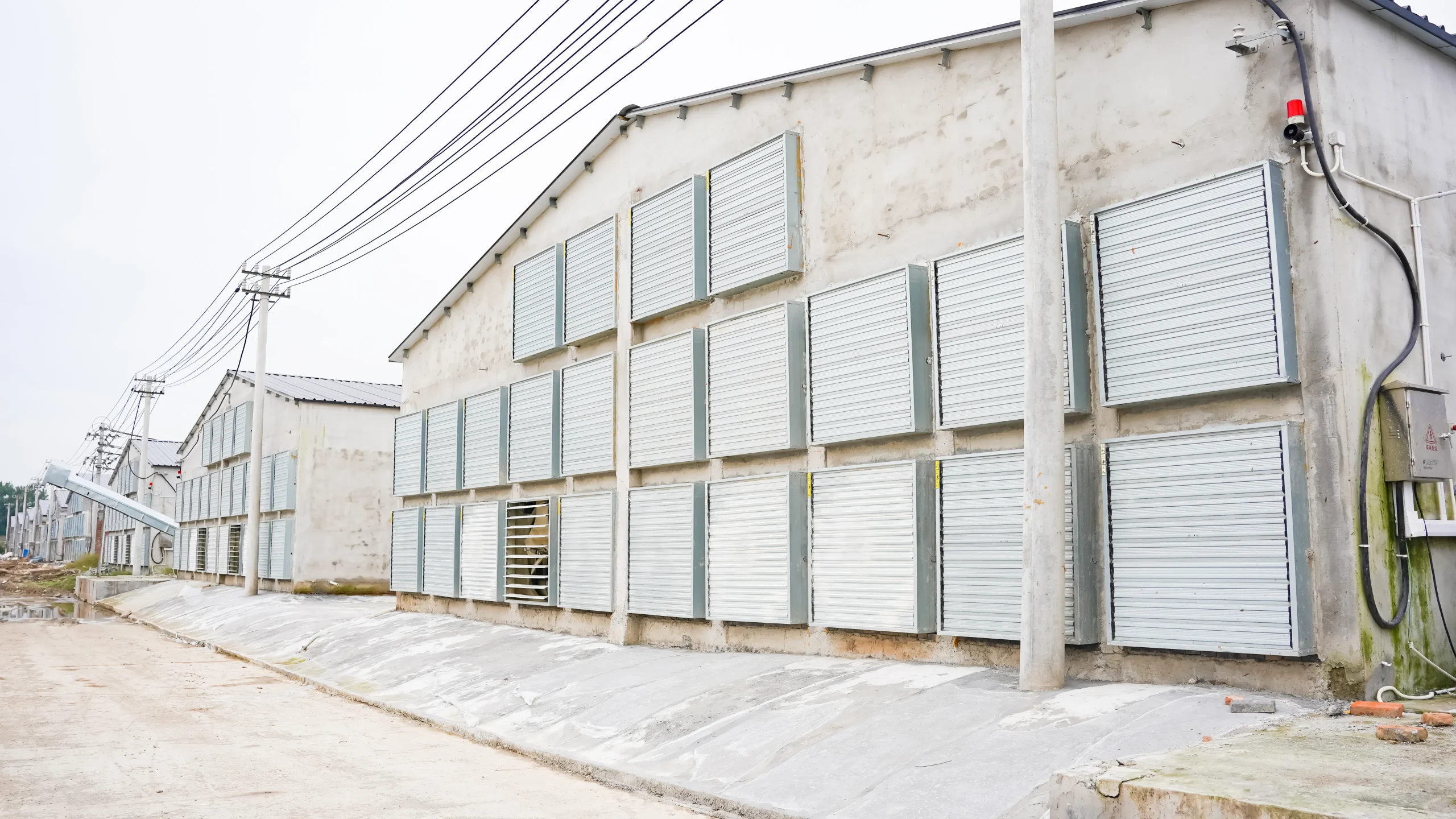
Quạt hộp
 English English
  Spanish
 French
 Russian
 Portuguese
 Arabic
 Chinese
 German
 Italian
 Japanese
 Korean
 Turkish
 Vietnamese
 Thai
Thai
 Dutch
Dutch
 Polish
 Indonesian
 Hindi
Hindi
 Bengali
 Urdu
Urdu