Trứng vỡ, lưng đau nhức và chi phí nhân công tăng cao—việc thu gom trứng thủ công đang dần làm giảm lợi nhuận của bạn.
Bằng cách chuyển sang hệ thống thu gom trứng tự động, bạn sẽ loại bỏ được các điểm nghẽn hàng ngày, bảo vệ chất lượng vỏ trứng và giải phóng nhân viên để tập trung vào các nhiệm vụ có giá trị cao hơn.
Hệ thống thu gom trứng có chức năng gì?
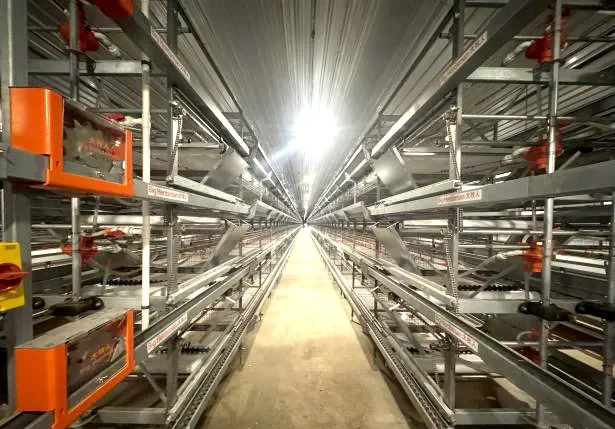
Hệ thống thu gom trứng hiện đại sử dụng băng tải, con lăn mềm và hệ thống điều khiển thông minh để thu gom trứng nhẹ nhàng, đếm chính xác và chuyển thẳng đến khâu phân loại và đóng gói—tất cả đều với sự tiếp xúc tối thiểu của con người.
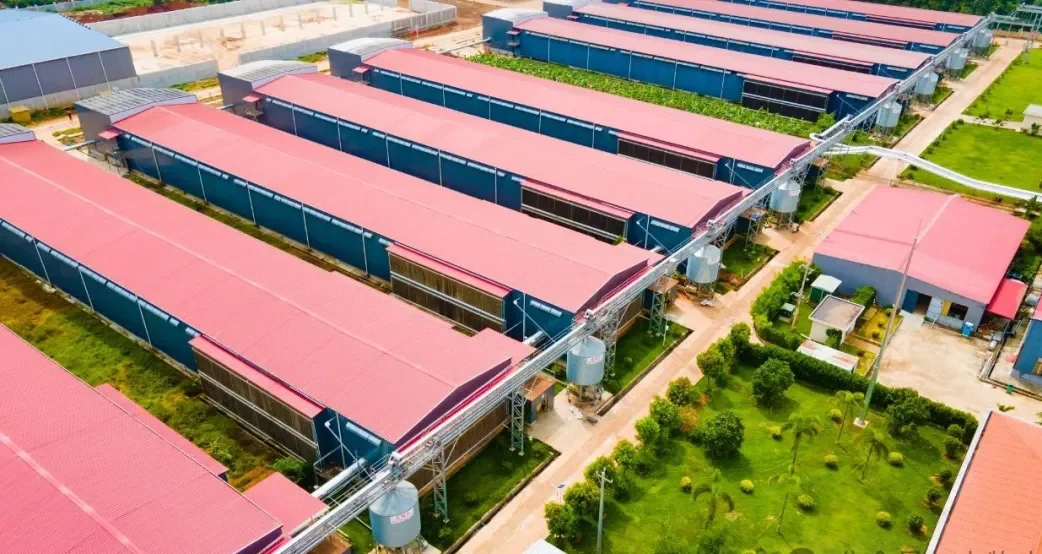
Việc thu gom trứng thủ công từng có ý nghĩa khi đàn gia cầm có quy mô nhỏ. Ngày nay, một con vật duy nhất... trang trại gia cầm có thể nuôi tới 100.000 con gà mái trên hàng chục khu vực. chuồng gà hàng. Chọn từng trứng gà bằng tay:
Một cách hoàn toàn hệ thống thu gom trứng tự động giải quyết những vấn đề khó khăn này bằng tự động hóa thiết bị này thu gom, đếm và vận chuyển trứng với tốc độ 15.000 quả/giờ, nhanh hơn và hiệu quả hơn nhiều. hiệu quả hơn so với thao tác thủ công các phương pháp.

Hãy hình dung từng cái một. lồng nhiều tầng hàng được trang bị băng tải trứng nhẹ nhàng. Khi đồng hồ bấm giờ bắt đầu, băng tải sẽ:
Cái này Hệ thống thu thập trứng bao gồm:
Tối ưu hóa việc thu thập trứng với Hệ thống thu gom trứng tiên tiến của Big Herdsman, Được thiết kế để đạt hiệu quả, đảm bảo vệ sinh và bảo vệ trứng. Cho dù bạn thích thu gom trứng thủ công để đơn giản, sử dụng ổ trứng tự động một lỗ để chính xác, hay sử dụng ổ trứng tự động theo nhóm để... hoạt động quy mô lớn, Các giải pháp của chúng tôi đảm bảo tổ sạch hơn, thông gió tốt hơn và giảm thiểu vỡ trứng. Với thiết kế chống đậu, thảm rơm thoải mái và băng chuyền bền chắc, hệ thống của chúng tôi... duy trì chất lượng trứng đồng thời tối ưu hóa hoạt động nông trại.

Người chăn nuôi lớn Thu gom trứng tại nhà
| Thành phần | Chức năng | Thông số kỹ thuật chính |
|---|---|---|
| Vành đai trứng | Mang trứng từ lồng lên thang máy. | PP dày 2 mm, rộng 500 mm |
| Thang máy trứng | Nâng trứng lên để băng qua băng chuyền | Bàn chải mềm + con lăn |
| Băng tải trung tâm | Di chuyển trứng đến phòng đóng gói. | Đai PVC, độ dốc 15° |
| Bảng điều khiển | Điều khiển bộ hẹn giờ, tốc độ, chức năng an toàn. | PLC có màn hình cảm ứng |
| máy đếm trứng | Máy đếm điện tử cho hàng tồn kho | Độ chính xác ±1 % |
Tất cả các khung kim loại đều mạ kẽm Để chống ăn mòn trong môi trường ẩm ướt của chuồng gà.
Hằng ngày: Loại bỏ lông và mảnh vỏ trứng khỏi băng chuyền trứng.
Hàng tuần: Kiểm tra ổ bi; bôi trơn nếu cần.
Hàng tháng: Hiệu chỉnh bộ đếm trứng và kiểm tra độ căng của dây đai.
Hàng năm: Thay thế các chổi chống nứt đã mòn.

MỘT hệ thống tự động Tỏa sáng khi được kết nối từ đầu đến cuối:
Hệ thống điều khiển nội bộ của chúng tôi đồng bộ tốc độ để tránh tình trạng ùn tắc. Liên kết nội bộ → Giải pháp đóng gói trứng trọn gói
Các liên kết nội bộ để khám phá:
 English English
  Spanish
 French
 Russian
 Portuguese
 Arabic
 Chinese
 German
 Italian
 Japanese
 Korean
 Turkish
 Vietnamese
 Thai
Thai
 Dutch
Dutch
 Polish
 Indonesian
 Hindi
Hindi
 Bengali
 Urdu
Urdu