
الصفحة الرئيسية
الصفحة الرئيسية
A cage system can improve efficiency, but no housing method is perfect. Buyers who look only at egg flow and labor savings may miss welfare, market, or regulatory issues that matter later. The smartest decision comes from understanding both the strengths and the limitations before building the house.
The main disadvantages of a cage system are that conventional cages restrict natural behaviors, offer less movement space, and may not fit all welfare standards or market expectations. In some regions, enriched or non-cage systems are preferred because they provide more behavioral opportunities, even though cage systems often remain strong in hygiene, egg quality, and operating efficiency.

Because housing decisions affect more than output. They influence welfare expectations, customer requirements, labor organization, manure handling, and long-term farm positioning. AVMA’s housing review emphasizes that different laying-hen systems protect different welfare outcomes, so the choice should be based on multiple factors rather than one simple claim.
That matters even more for overseas B2B projects. A farm building around انتاج البيض needs to ask not only “what works technically?” but also “what fits my market, compliance goals, and customer expectations?”
The biggest criticism is restriction of behavior. The NCBI review states that conventional cages restrict hen behavior more than non-cage systems, while AVMA notes that conventional cages limit movement and opportunities for behaviors such as nesting, perching, and foraging.
This is why discussions about cage disadvantages often start with welfare rather than efficiency. Even though cage systems can improve hygiene and egg handling, conventional cages are still criticized for not allowing birds to express as wide a range of normal behaviors as non-cage systems.
Yes, especially conventional cages. Hens in conventional cages have less room to move, dust-bathe, perch, nest, and forage than hens in non-cage systems, according to the NCBI review and AVMA literature.
That does not mean every cage system is identical. Enriched cages offer more resources and more usable space than conventional cages, but they still do not create the same movement opportunities as open non-cage housing.
Yes. Some markets, retailers, and welfare-focused buyers prefer enriched or non-cage production systems. AVMA’s comparison materials and broader industry discussions show that housing preference is not only a farm-management issue; it can also become a buyer-access issue depending on the sales channel.
For that reason, buyers evaluating a نظام القفص الطبقي should consider the market they plan to serve. A technically efficient system may still be a poor business fit if its housing format does not align with customer expectations or procurement requirements.
Yes. A poorly designed cage house can still suffer from airflow problems, manure buildup, and weak maintenance access. Mississippi State Extension’s commercial layer guidance shows how much manure handling and ventilation design affect the performance of cage housing.
In other words, the disadvantage is not always “the cage” itself. Sometimes it is the way the house is designed or managed. That is why التحكم في البيئة and manure strategy should be planned together with the cage layout from the start.
Enriched cages were developed to address some welfare concerns associated with conventional cages. AVMA describes enriched or furnished cages as intermediate systems that provide more behavioral resources than conventional cages, and published research has found better bone measures in enriched cages than in conventional cages in some comparisons.
That means the “disadvantages of cage systems” question needs precision. Conventional cages and enriched cages are not the same. Buyers should separate the weaknesses of barren conventional cages from the performance of more developed cage designs.
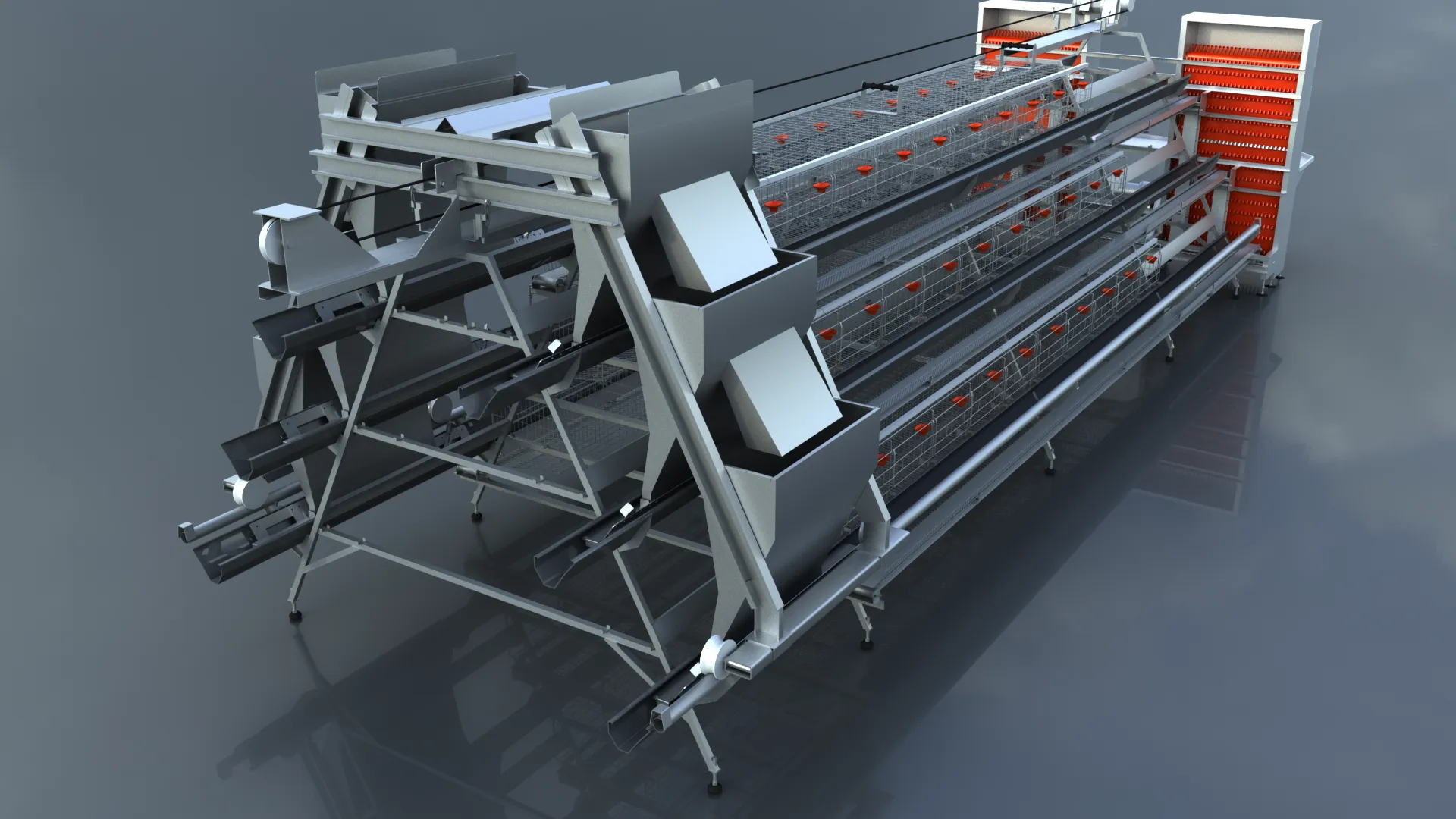
No. AVMA and the NCBI review both indicate that non-cage systems offer more movement and behavioral opportunity, but they can also be associated with other health or management problems in some situations. The comparison is mixed, not one-sided.
That is important because housing debates are often oversimplified. A non-cage system may improve some welfare outcomes while making cleanliness, pecking, or management more difficult in other areas. So the real decision is about tradeoffs, not slogans.
For commercial buyers, the biggest disadvantages are usually three things: welfare limitations, possible market restrictions, and project mismatch. If the housing choice does not fit buyer expectations, customer requirements, or regional trends, the farm may face long-term commercial pressure even if the system works technically.
That is why many project-based buyers compare cage formats together with wider معدات مزارع الدواجن planning instead of treating the cage as a simple standalone product.
| Disadvantage | Why it matters |
|---|---|
| Restricted movement | Limits physical activity and behavioral expression |
| Fewer natural behaviors | Less nesting, perching, foraging, and dust bathing |
| Market pressure | Some buyers prefer enriched or non-cage production |
| Design sensitivity | Poor airflow or manure handling can reduce performance |
| Welfare criticism | Public and regulatory scrutiny may be higher |
This summary reflects AVMA, NCBI, and commercial-layer-management sources.
They can reduce drawbacks by choosing better cage formats, planning airflow and manure removal carefully, and matching the housing system to the target market. Enriched cages, stronger نظام التحكم في مناخ بيت الدواجن, and better management planning can reduce some of the common weaknesses of poorly designed cage projects.
It also helps to work with a supplier that understands system integration. Big Herdsman’s broader livestock-farming positioning is built around housing, ventilation, manure handling, and automation working together rather than separately.
A cage system may still be the right choice when the farm prioritizes hygiene, egg cleanliness, production efficiency, and integrated automation. AVMA notes that cages often have an economic advantage and that egg production, quality, and efficiency are often greatest in cage systems.
So a balanced conclusion is simple: cage systems do have disadvantages, especially in conventional form, but they can still be the best operational fit for some commercial farms depending on product type, target market, and management priorities.
The main disadvantage is that conventional cages restrict movement and reduce opportunities for natural behaviors compared with non-cage systems.
No. Conventional cages and enriched cages differ, and enriched cages provide more resources than conventional cages.
They can, depending on the market and customer expectations. Some buyers prefer enriched or non-cage production.
Yes. Poor layout, airflow, or manure handling can reduce the performance of even a technically sound cage project.
 Arabic
  English
  Spanish
  French
  Russian
  Portuguese
  Chinese