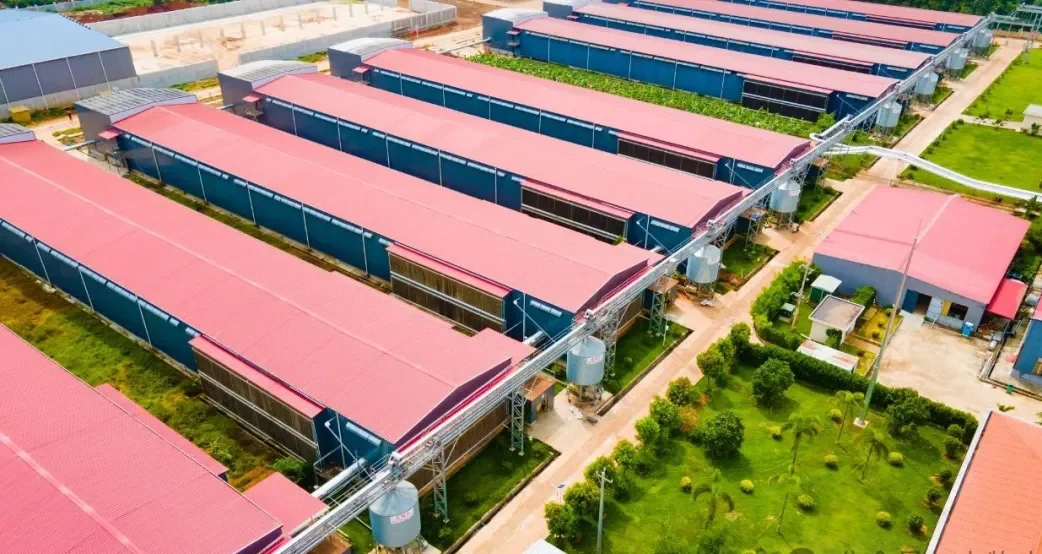
L'ammoniaca brucia gli occhi, la lettiera umida favorisce la diffusione di malattie e raschiare il letame a mano richiede ore preziose.
Un problema di letame trascurato si aggrava a dismisura: animali malati, costi di alimentazione più elevati e sanzioni ambientali.
I sistemi intelligenti di rimozione del letame avicolo automatizzano la raschiatura, il trasporto a nastro e lo stoccaggio dei rifiuti, in modo che il vostro allevamento rimanga sano e i vostri profitti aumentino.
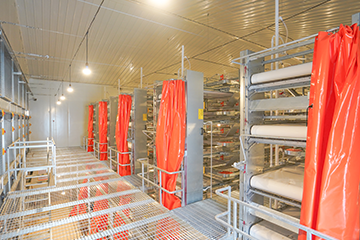
Un nastro trasportatore o raschiatore automatico rimuove quotidianamente il letame di pollo, asciugando gli escrementi prima che si formi ammoniaca, riducendo drasticamente i costi di manodopera e prevenendo l'inquinamento ambientale. Il risultato è un'aria più pulita, una lettiera più asciutta e una maggiore crescita ponderale, il tutto senza un costante intervento manuale.
Sistema di rimozione del letame di pollame % con nastro trasportatore
A pollaio genera circa 100 g di letame di pollo per gallina al giorno. Se lasciati sul pavimento o sotto la gabbia, gli escrementi rilasciano ammoniaca, inumidiscono la lettiera e attirano le mosche. Col tempo, un'elevata concentrazione di ammoniaca riduce l'assunzione di cibo e l'aumento di peso. Inoltre, corrodono il metallo, accorciando la durata della gabbia.
I moderni sistemi di rimozione del letame affrontano questi punti critici:
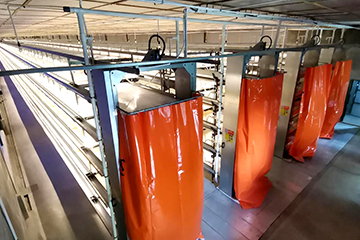
Sistema interno di trasporto del letame | Rimozione efficiente e durevole dei rifiuti avicoli
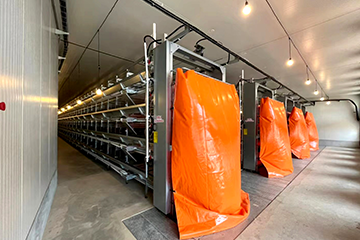
Ottimizza la gestione dei rifiuti avicoli con il nostro trasportatore di letame interno. Grazie al telaio zincato a caldo, alla resistenza alla corrosione, al nastro antiscivolo e alla struttura anti-deviazione, garantisce un'efficiente rimozione del letame anche in condizioni agricole complesse, mantenendo al contempo igiene e durata nel tempo.
Trasportatore di letame interno
È possibile installare un sistema di trasporto del letame a nastro in un vecchio allevamento di polli?
Sì. I nastri trasportatori si montano sotto le file di gabbie esistenti; i motori si fissano all'estremità con dei bulloni. Potrebbe essere necessario un piccolo taglio del pavimento per il trasportatore trasversale.
Con quale frequenza deve essere utilizzato il nastro trasportatore del letame?
La programmazione tipica prevede due volte al giorno per le galline ovaiole e una volta per i polli da carne. L'orario può essere impostato nel PLC in base alla densità del gruppo.
Il raschiatore per letame danneggia le doghe del pavimento?
No. I raschiatori scorrono su binari sopra il pavimento o la superficie della fossa, senza entrare in contatto con le lamelle.
Qual è il sistema migliore: quello a nastro o quello a raschiatore?
Nei sistemi di gabbie a batteria, i nastri trasportatori asciugano rapidamente il letame; i raschiatori sono adatti alle stalle a pavimento con stoccaggio in fossa profonda.
Che dire delle interruzioni di corrente?
I sistemi includono una manovella manuale o una porta per generatore di riserva per rimuovere il letame di pollo in caso di emergenza.
L'acciaio zincato è sufficiente a resistere alla corrosione per tutta la sua durata?
I telai in acciaio zincato a caldo durano 15 anni; le aziende agricole costiere possono optare per l'acciaio inossidabile 316 per le parti critiche.
 English English
  Spanish
 French
 Russian
 Portuguese
 Arabic
 Chinese
 German
 Italian
 Japanese
 Korean
 Turkish
 Vietnamese
 Thai
Thai
 Dutch
Dutch
 Polish
 Indonesian
 Hindi
Hindi
 Bengali
 Urdu
Urdu