
菜单
菜单
这个词听起来很专业,但它造成的误解却很常见。许多买家认为“电池笼”指的是电力、电子设备或某种特殊机器。但在家禽养殖中,这个名称实际上指的是笼子本身的布局,而不是指电力或用于供电的电池。.
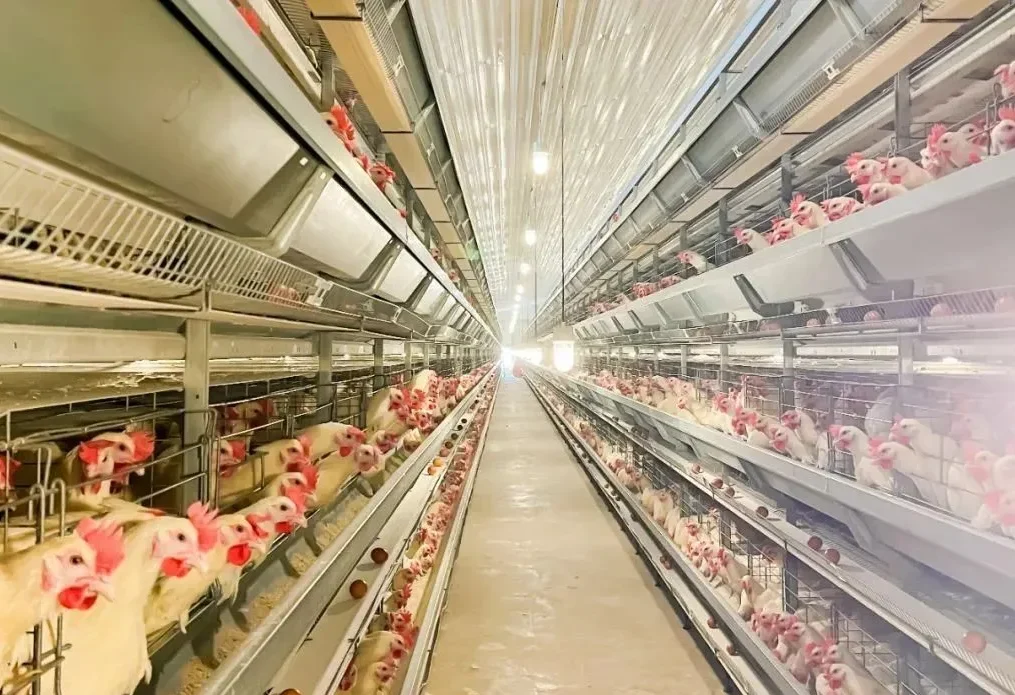
它被称为 电池笼 因为这些笼子排列成长长的、重复的行和列,类似于电池组的笼子。在商业鸡蛋生产中,该术语通常与“鸡笼”互换使用。 传统笼, 而现代供应商也可能使用更宽泛的短语,例如: 层笼系统 或 电池笼系统 指的是包括喂食、饮水、收集鸡蛋和清除粪便在内的完整饲养设施。.
大牧人
在此背景下,, 电池 并非指电子设备。通常的解释是,这些笼子堆叠起来的形状类似于电池单元中的电芯。澳大利亚皇家防止虐待动物协会(RSPCA Australia)的术语指南对此有明确说明,指出这些笼子之所以被称为“电池笼”,是因为它们的堆叠方式类似于电池单元中的电芯。.
这种解释也符合老式商业笼养鸡舍的视觉实际情况。该系统由重复的模块构成,这些模块并排、层层堆叠,形成一个均匀的围栏网格。在养鸡业的术语中,这个名称沿用至今,因为这样描述其结构非常容易。.
The term makes sense once you picture the layout. A battery cage system is made from many identical cages connected in a repeated formation. Big Herdsman’s product page for an 电池笼系统 描述了用于蛋鸡和育成鸡的完整笼养系统,该系统具有模块化结构、自动喂料、自动饮水、自动集蛋和自动清粪功能,并展示了该系统是如何由重复的标准化单元构建而成的。.
这种重复的结构也正是笼养与商业蛋鸡养殖联系在一起的原因。笼养便于将大量家禽以紧凑、可控的方式进行布局。这也是笼养名称逐渐成为家禽工业术语而非仅限于小众技术词汇的原因之一。.
在大多数商业蛋鸡饲养的讨论中,答案是肯定的。加州大学戴维斯分校指出: 传统笼子也称为电池笼, 这使得这两个词在主流蛋鸡饲养术语中几乎成了同义词。.
区别通常在于语气,而不是结构。. 电池笼 是业内或公众更熟悉的术语,而 传统笼 这两个术语经常出现在政策、福利和监管讨论中。但当买家在蛋鸡养殖资料中看到这两个术语时,他们通常指的是同一个基本的鸡舍概念。.
供应商使用该术语的范围通常比监管机构更广。在商业网站上,, 电池笼系统 can refer not just to a cage row but to the full working setup around it. Big Herdsman’s product page presents the system as an automated solution for commercial egg and poultry farms, including cages, feeding, drinking, egg collection, manure removal, and environmental control.
这意味着该短语现在同时具有两种含义。它既可以描述房屋的物理样式,也可以描述一个更大的项目包。对于企业对企业(B2B)买家而言,这种区别至关重要,因为笼式结构的报价可能包含的内容远不止钢笼框架本身。.
A 电池笼 通常指的是笼式结构。 层笼系统 usually refers to the full commercial housing solution built around that style. Big Herdsman’s recent 层笼系统 内容将该系统描述为一个有组织、卫生、高效的蛋鸡饲养装置,将笼养与喂食、饮水、粪便清除和鸡蛋收集结合起来。.
所以更简单的说法是: 电池笼 是住房概念,而 层笼系统 这通常是该概念的项目层面版本。对于一个正规的家禽养殖场来说,第二种说法通常更有用,因为它反映了鸡舍的实际运作方式。.
Yes. Poultry-cage terminology often changes with the bird’s production stage. Big Herdsman separately markets pullet cages, layer cages, and breeder cages, which shows that one broad cage idea becomes several specialized project types in real farm use.
例如, 小鸡笼系统 蛋鸡养殖场旨在让鸡在产蛋前生长,而种鸡笼则更注重提高鸡蛋受精率和种鸡管理,而非普通的食用鸡蛋生产。这也是为什么买家在讨论实际项目时,不应仅仅局限于“蛋鸡笼”这个词的原因之一。.
Because wrong terminology often leads to wrong assumptions. A buyer may ask for a battery cage when they actually need a pullet rearing system, a breeder layout, or a more automated layer project. Big Herdsman’s integrated poultry-systems article emphasizes that different poultry workflows require different system matching, especially across poultry production and egg production projects.
换句话说,术语至关重要,因为它会影响工程设计、布局、成本和运营。在B2B家禽设备领域,语言不仅仅是语言,它会影响整个报价和整个生产流程。.
Once automation is added, the phrase “battery cage” becomes less about cages alone and more about how the house works. Big Herdsman’s 禽舍气候控制系统 该页面解释说,稳定的温度、湿度和气流对于鸟类的舒适度和稳定的生产性能至关重要,这表明环境系统现在已成为现代笼养房屋的一部分。.
因此,许多现代养鸡项目与其说是简单的笼养系统,不如说是一体化养鸡系统更为贴切。如今,饲喂、饮水、通风、鸡蛋收集、粪便清除和监测等环节,与笼架本身一样,共同决定着系统的性能。.
| 学期 | 通常含义 |
|---|---|
| 家禽笼 | 用于饲养家禽的笼子的统称 |
| 鸡笼 | 另一个广泛的实用术语 |
| 电池笼 | 传统笼养母鸡饲养的常用商业术语 |
| 传统笼子 | 技术或政策术语,通常与“电池笼”类似使用。 |
| 层式笼式系统 | 包含互联系统的完整商业层式房屋解决方案 |
该表反映了商业供应商使用的术语以及围绕蛋鸡饲养的福利或政策讨论。.
They should ask what birds the cage is for, what layout it uses, what automation is included, and how the system connects to manure handling, egg collection, and climate control. Big Herdsman’s 家禽养殖设备 该指南表明,笼子只是家禽舍的一部分,还包括饲喂、饮水、气候、废物管理和监控系统。.
一份好的报价单应该向买家提供的信息远不止笼子的名称。它应该显示该项目是否符合农场的规模、气候、劳动力计划和生产目标。这样,术语才能发挥作用,而不是让人困惑。.
Because poultry housing is a system decision, not a word choice. Once buyers use the correct term, suppliers can recommend the right cage type, the right supporting equipment, and the right management workflow. Big Herdsman’s system-level poultry and egg production content is built around exactly that kind of project matching.
从长远运营角度来看,清晰的项目名称能够节省资金并减少错误。一个命名恰当的项目更容易设计、更容易维护,也更有可能达到买方预期的性能。.
因为这些笼子排列成重复的堆叠和行,就像电池单元的单元格一样。.
在大多数关于蛋鸡饲养方式的讨论中,是的。这些术语通常指同一种基本的饲养方式。.
不。在养鸡业中,“电池”一词指的是重复的笼养排列方式,而不是储存的电力。.
是的。在供应商的语境中,“蛋鸡笼养系统”通常指的是完整的鸡舍解决方案,而不仅仅是笼架。.
 English English
  Spanish
 French
 Russian
 Portuguese
 Arabic
 Chinese
 German
 Italian
 Japanese
 Korean
 Turkish
 Vietnamese
 Thai
Thai
 Dutch
Dutch
 Polish
 Indonesian
 Hindi
Hindi
 Bengali
 Urdu
Urdu