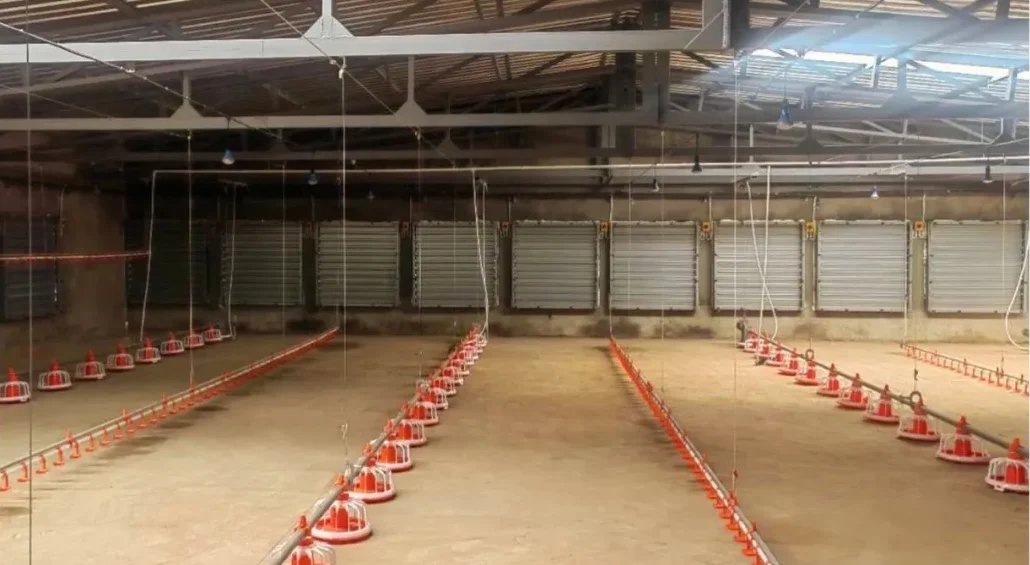
La producción inestable de huevos, los altos costos laborales, la rotura de huevos y las malas condiciones climáticas en las instalaciones pueden reducir rápidamente la rentabilidad de una granja de huevos. Para las granjas comerciales de gallinas ponedoras, el éxito avicultura para la producción de huevos Depende de algo más que gallinas y pienso. Necesita un sistema de producción completo, automatizado y bien diseñado.
La avicultura para la producción de huevos es el proceso de criar gallinas ponedoras en gallineros controlados para producir huevos limpios y de alta calidad de manera eficiente. Las granjas avícolas modernas utilizan sistemas de jaulas para ponedoras, líneas de alimentación, sistemas de bebederos, cintas transportadoras de huevos, sistemas de eliminación de estiércol y equipos de control ambiental para mejorar la productividad, reducir la mano de obra y proteger la calidad de los huevos.
Avicultura para la producción de huevos Se centra en la cría de gallinas ponedoras para una producción estable de huevos. En las granjas comerciales, el objetivo no es solo aumentar la cantidad de huevos, sino también mejorar su calidad, reducir las roturas, controlar los costos laborales y mantener limpio el gallinero.
Una granja avícola moderna suele incluir varios sistemas interconectados. Estos sistemas gestionan la alimentación, el agua, el alojamiento, la recolección de huevos, la eliminación de estiércol, la ventilación, la temperatura, la iluminación y la monitorización de la granja. Cuando estos sistemas funcionan conjuntamente, la granja resulta más fácil de operar y la producción diaria es más estable.
Para los compradores que planean una nueva granja de gallinas ponedoras o la modernización de un gallinero existente, Gran pastor Proporciona equipos integrados para la cría de aves de corral y soluciones de sistemas personalizadas para diferentes diseños de granjas, climas y objetivos de producción.
En las granjas pequeñas, los trabajadores pueden recoger los huevos a mano, alimentar a las aves manualmente y ajustar la ventilación según su experiencia. Pero en las granjas medianas y grandes, el trabajo manual se vuelve lento, costoso e irregular.
Una granja avícola comercial necesita equipos integrados porque cada sistema afecta a los demás. La alimentación afecta la producción de huevos. El agua afecta la salud de las aves. La ventilación afecta la temperatura del galpón y la calidad del aire. La recolección de huevos afecta la tasa de rotura. La eliminación del estiércol afecta la higiene.
| Desafío de la granja | Solución de sistema integrado |
|---|---|
| Alto costo laboral | Alimentación automática, recogida de huevos y eliminación de estiércol. |
| rotura de huevos | Sistema de transporte y recolección de huevos suave |
| Mala higiene | Cintas transportadoras de estiércol y transporte de estiércol al aire libre |
| estrés por calor | Ventiladores, paneles de refrigeración, entradas de aire y controladores. |
| Producción de huevos inestable | Mejor alimentación, hidratación, iluminación y control climático. |
Por eso los compradores profesionales suelen buscar una solución completa. Soluciones de equipos para la producción de huevos en lugar de comprar máquinas separadas de muchos proveedores.
Un gallinero para la producción de huevos debe diseñarse teniendo en cuenta el bienestar de las aves, el flujo de producción, la distribución del equipo y el mantenimiento futuro. Un mal diseño puede crear zonas sin ventilación, rutas de recolección de huevos complicadas y una gran carga de trabajo de limpieza.
Un buen diseño de un gallinero debe tener en cuenta lo siguiente:
Para una planificación agrícola más amplia, Big Herdsman's sistemas completos de producción avícola Puede brindar apoyo en la selección de equipos y el diseño de la distribución para proyectos avícolas comerciales.
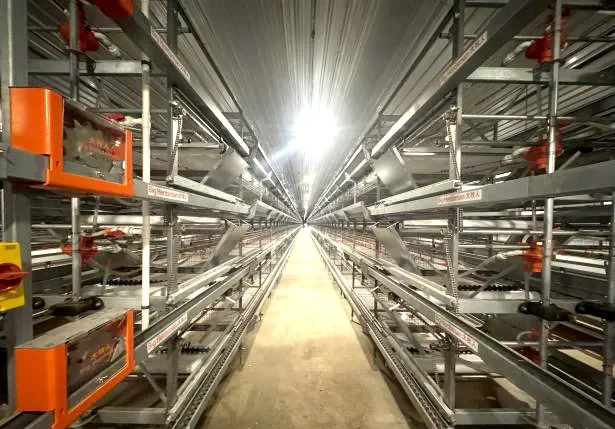
El sistema de jaulas para ponedoras es una de las partes más importantes de la avicultura para la producción de huevos. Aloja a las gallinas ponedoras en filas o niveles organizados de jaulas, lo que ayuda a las granjas a mejorar el aprovechamiento del espacio y la gestión diaria.
Un buen sistema de jaulas para ponedoras debe soportar:
Moderno sistemas de jaulas de ponedoras Ayudan a las granjas comerciales a aumentar la eficiencia en el manejo de los huevos, reduciendo al mismo tiempo el trabajo manual diario. Son especialmente útiles para las grandes granjas avícolas que necesitan una producción constante y una manipulación más higiénica de los huevos.
Para los propietarios de granjas, elegir una jaula para ponedoras no se trata solo del precio. La jaula debe ser compatible con todo el sistema de la nave avícola, incluyendo la cinta transportadora de huevos, la cinta de estiércol, la ventilación, la iluminación y el acceso para el mantenimiento.
La alimentación es uno de los factores de costo más importantes en la avicultura para la producción de huevos. Una distribución desigual del alimento puede provocar una mala uniformidad en la parvada y una producción de huevos inestable. Un sistema de alimentación bien diseñado ayuda a que cada ave reciba alimento de forma más constante.
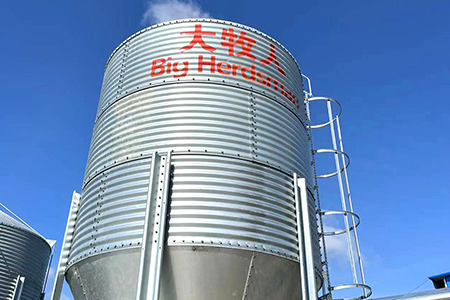
Un sistema de alimentación moderno puede incluir silos de pienso, líneas de suministro, comederos, sistemas de alimentación por cadena o equipos de alimentación automáticos. El objetivo es reducir el desperdicio y mantener un suministro de pienso estable.
El agua limpia es fundamental. Los bebederos de tetina son muy utilizados porque reducen la contaminación y ayudan a mantener el gallinero más seco. Un buen sistema de bebederos debe proporcionar una presión de agua estable y ser fácil de ajustar según la edad de las aves y la distribución de las jaulas.
Cuando los sistemas de alimentación e hidratación están bien adaptados, las granjas pueden mejorar el bienestar de las aves, reducir el desperdicio y favorecer una mayor producción de huevos.
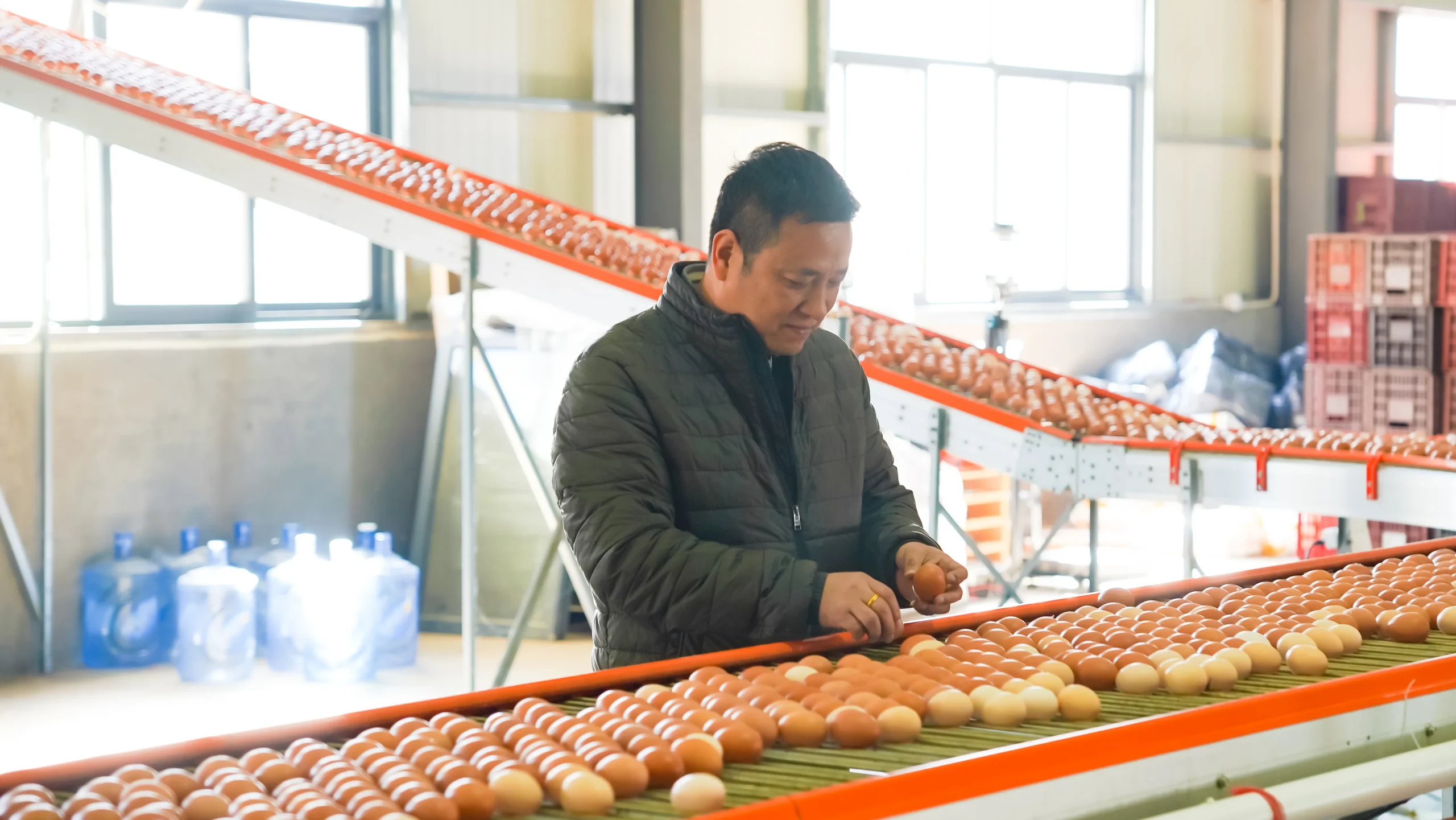
La recolección de huevos es un proceso clave en cualquier granja avícola. La recolección manual consume tiempo, aumenta los costos laborales y eleva el riesgo de que los huevos se rompan. Para las granjas comerciales, la recolección automática de huevos es una de las mejoras más valiosas.
Un moderno sistema de recolección de huevos traslada los huevos con cuidado desde la zona de jaulas hasta un punto de recogida. Esto reduce la manipulación repetida y mejora la eficiencia diaria.
Para las granjas que necesitan un transporte estable de huevos, un sistema transportador de huevos Puede facilitar el traslado de los huevos por el gallinero y reducir las roturas. Esto es especialmente importante cuando la producción diaria de huevos es alta y los trabajadores necesitan un manejo más rápido y limpio.
La recolección automática de huevos permite:
En la avicultura comercial para la producción de huevos, un mejor manejo de los huevos se traduce en una mayor protección de las ganancias.

Transportador de estiércol exterior Big Herdsman
La gestión del estiércol afecta directamente a la calidad del aire, la higiene, el bienestar de las aves y la mano de obra en la granja. Si el estiércol no se retira con regularidad, los niveles de amoníaco pueden aumentar y la gestión del gallinero puede volverse más difícil.
Las granjas avícolas modernas suelen utilizar cintas transportadoras para el estiércol, cintas transversales y sistemas de transporte exterior para alejar los residuos de las jaulas y las zonas de producción. Esto mantiene las instalaciones más limpias y reduce el trabajo de limpieza manual.
Para gallineros más grandes, un Transportador de estiércol exterior Puede ayudar a transportar el estiércol a las áreas de almacenamiento o tratamiento de manera más eficiente. Cuando la eliminación del estiércol se combina con la ventilación, la granja puede mantener una mejor calidad del aire y un entorno más saludable para las gallinas ponedoras.
Las instalaciones limpias no son solo una cuestión de apariencia. Contribuyen directamente a la calidad de los huevos, al rendimiento de las aves y a la estabilidad de la granja a largo plazo.
El control climático es uno de los factores más importantes en la producción de huevos. Las gallinas ponedoras son sensibles a la temperatura, la humedad, la ventilación, la luz y la calidad del aire. Un control climático deficiente puede reducir la producción de huevos y aumentar el estrés.
Un sistema completo de control ambiental puede incluir:
| Equipamiento | Función |
|---|---|
| Aficionados | Eliminar el aire caliente y mejorar el flujo de aire |
| Almohadillas refrigerantes | Temperatura más baja en la casa en climas cálidos |
| Calentadores | Ayuda a mantener una temperatura estable en las estaciones frías. |
| Entradas de aire | Controlar la entrada de aire fresco |
| Controladores | Supervisar y ajustar el funcionamiento del equipo. |
| Puertas de panel | Mejorar el sellado, el aislamiento y el control del flujo de aire. |
| Sistemas de iluminación | Apoyar el ritmo de producción |
Gran pastor soluciones de control ambiental Ayudar a las granjas avícolas a gestionar de forma más eficaz la temperatura, la humedad, el flujo de aire y el consumo de energía.
Para gallineros que necesitan mejor sellado y ventilación controlada, un puerta de panel Puede brindar soporte para el aislamiento y la gestión del flujo de aire como parte del sistema completo de control climático.
Algunas granjas avícolas no solo producen huevos de mesa, sino también huevos fertilizados para la cría. Estas granjas necesitan jaulas con diseños especiales que permitan agrupar a las aves, proteger los huevos y mantener un control ambiental estable.
A Jaula para gallinas ponedoras Está diseñado para gallinas y gallos reproductores. Facilita una mejor agrupación de machos y hembras, una recolección de huevos estable, bebederos ajustables y el control del clima.
En la producción de huevos de gallinas reproductoras, el valor de cada huevo es mayor. Esto significa que las granjas deben prestar más atención a la rotura de huevos, el bienestar de las aves, el acceso al agua y la estabilidad climática.
Un buen sistema de jaulas de cría ayuda a las granjas a mejorar:
Para las granjas que producen huevos para incubar, el diseño del sistema es incluso más importante que en la producción de huevos convencional.
La automatización es una de las principales razones por las que las granjas comerciales invierten en equipos modernos para la producción avícola. Reduce el trabajo repetitivo y mejora la uniformidad diaria.
En la avicultura para la producción de huevos, la automatización puede abarcar:
La principal ventaja no reside únicamente en el ahorro de mano de obra. La automatización también ayuda a reducir los errores humanos. Cuando la alimentación, el suministro de agua, la recolección de huevos y el control climático funcionan de manera más consistente, la granja resulta más fácil de gestionar.
Para las grandes explotaciones agrícolas, esto crea un sistema de producción más predecible y favorece el crecimiento empresarial a largo plazo.

La elección del equipo avícola debe comenzar con la planificación de la granja, no solo con el precio del producto. La solución adecuada depende del objetivo de producción, el tamaño de la nave, el clima, el nivel de automatización y el presupuesto.
Antes de elegir el equipo, los propietarios de la granja deben confirmar lo siguiente:
| Pregunta | Por qué es importante |
|---|---|
| ¿Cuántas gallinas ponedoras se criarán? | Determina la cantidad de jaulas y la distribución de la casa. |
| ¿Cuál es el clima local? | Afecta al diseño de ventilación, refrigeración y aislamiento. |
| ¿Cuántos trabajadores hay disponibles? | Determina el nivel de automatización |
| ¿Cómo se recogerán los huevos? | Afecta al diseño del sistema de transporte y recolección. |
| ¿Cómo se retirará el estiércol? | Afecta a la higiene y a la calidad del aire. |
| ¿Se ampliará la granja más adelante? | Afecta a la escalabilidad del diseño y del equipo. |
Un proveedor fiable debería ayudar a los compradores a diseñar un sistema completo en lugar de limitarse a vender productos individuales.
Para la avicultura comercial de producción de huevos, la capacidad de diseño del sistema por parte del proveedor es fundamental. Una granja puede adquirir buenas jaulas, buenos ventiladores y buenas cintas transportadoras, pero si la distribución no es la adecuada, la operación final puede resultar ineficiente.
Un fabricante de sistemas puede ayudar a conectar:
Big Herdsman se especializa en sistemas automatizados completos para la cría de aves de corral, combinando el desarrollo de productos, la fabricación, el diseño de sistemas y el servicio de proyectos. Para los compradores B2B internacionales, esto reduce los costos de comunicación y contribuye a la creación de un proyecto de producción de huevos más fiable.
Los propietarios de fincas, los inversores en proyectos agrícolas, los contratistas de ingeniería y los distribuidores de equipos pueden ponerse en contacto con nosotros. El equipo de equipos avícolas de Big Herdsman para analizar una solución personalizada para la producción de huevos.
La avicultura para la producción de huevos consiste en la cría de gallinas ponedoras en gallineros controlados para producir huevos de manera eficiente. Las granjas comerciales suelen utilizar jaulas, sistemas de alimentación, bebederos, cintas transportadoras de huevos, sistemas de eliminación de estiércol y equipos de climatización.
Una granja avícola comercial suele necesitar sistemas de jaulas para ponedoras, alimentación automática, bebederos con tetina, sistemas de recogida de huevos, equipos de eliminación de estiércol, ventiladores, paneles de refrigeración, iluminación, controladores y accesorios para gallineros.
Los sistemas de jaulas para ponedoras ayudan a mejorar el aprovechamiento del espacio, el control de la alimentación, la eficiencia en la recolección de huevos, la gestión del estiércol y la inspección diaria de las aves. Se utilizan ampliamente en la producción comercial de huevos.
La recogida automática de huevos reduce el trabajo manual, disminuye el riesgo de rotura de huevos, mejora la higiene y facilita el traslado de los huevos desde las jaulas hasta las zonas de recogida.
El control ambiental ayuda a gestionar la temperatura, la humedad, el flujo de aire y la iluminación. Unas condiciones estables en el gallinero favorecen el bienestar de las aves, una mejor producción de huevos y un rendimiento más constante de la granja.
Sí. Los equipos para la cría de aves de corral se pueden personalizar según la cantidad de aves, el tamaño del gallinero, el clima local, el nivel de automatización, la ruta de recolección de huevos, el plan de eliminación de estiércol y los objetivos de producción.
Avicultura para la producción de huevos Se requiere más que alojamiento básico y trabajo manual. Una granja de huevos comercial exitosa necesita un sistema completo que conecte las jaulas de las ponedoras, la alimentación, el agua, la recolección de huevos, la eliminación de estiércol y el control ambiental.
Para las granjas que planifican nuevos proyectos de producción de huevos o la modernización de los gallineros existentes, el diseño integrado de los equipos puede reducir la mano de obra, mejorar la higiene, proteger la calidad de los huevos y favorecer la productividad a largo plazo.
Big Herdsman proporciona equipos y soluciones de sistemas personalizados para la cría de aves de corral, destinados a la producción comercial de huevos, ayudando a las granjas a construir operaciones avícolas eficientes, automatizadas y escalables.
 English English
  Spanish
 French
 Russian
 Portuguese
 Arabic
 Chinese
 German
 Italian
 Japanese
 Korean
 Turkish
 Vietnamese
 Thai
Thai
 Dutch
Dutch
 Polish
 Indonesian
 Hindi
Hindi
 Bengali
 Urdu
Urdu