Many cage projects fail before birds even enter the house. The reason is usually poor planning, not poor steel. If the layout ignores bird density, airflow, egg routes, waste flow, or future automation, the farm becomes harder to manage from day one.
To build a chicken cage system for a poultry farm, you need to plan the house layout, choose the right cage type, match the system to feed, water, egg collection, manure removal, and ventilation, and make sure the design fits your farm’s size, climate, and long-term goals.
Grande pastor
Before building the cage system, you should decide the bird type, production goal, house size, target automation level, and local climate conditions. Big Herdsman’s current layer-cage content says cage choice depends on factors such as farm size, budget, climate, and production goals.
This first decision shapes everything else. A system for layers, pullets, or breeders will not be planned the same way. That is why many buyers start with a general equipamento para avicultura discussion before they lock in the cage drawings.
Big Herdsman’s current guidance describes A-type cages as simpler, easier to install, and lower-investment, while H-type systems are more vertical, denser, and better suited to larger, more automated commercial farms.
So the choice depends on project scale and management style. If the farm needs a practical, manageable setup, Gaiola de camada tipo A may be the right fit. If the goal is higher density and stronger automation, the H-type direction may make more sense.
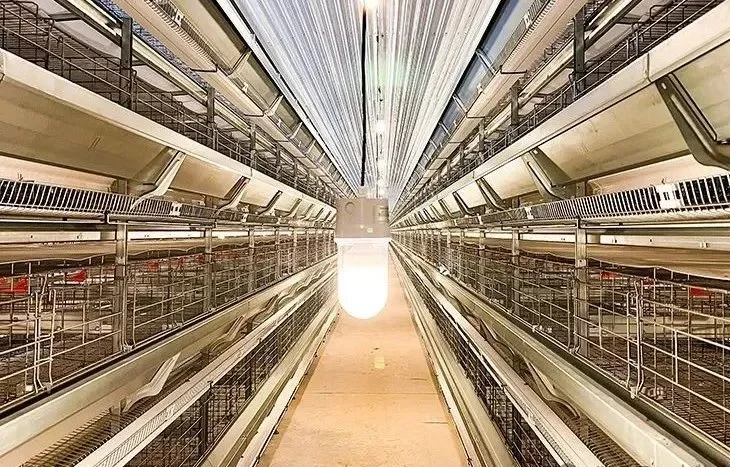
Big Herdsman’s farm-efficiency article says a professional cage-system layout must consider bird density, feed and water distribution, egg collection pathways, manure disposal routes, and ventilation and climate control integration.
That means the cage line should never be planned in isolation. A good sistema de gaiolas de proteção works because the house layout supports how birds, eggs, workers, feed, waste, and airflow move through the building every day.
| Planning factor | Por que isso importa |
|---|---|
| Densidade de pássaros | Affects capacity and bird comfort |
| Feed and water routes | Supports stable daily intake |
| Egg pathways | Helps protect egg flow and efficiency |
| Manure routes | Improves hygiene and cleaning workflow |
| Ventilation integration | Supports air quality and house stability |
| Expansion allowance | Makes future upgrades easier |
This framework comes directly from Big Herdsman’s current layout-planning guidance.
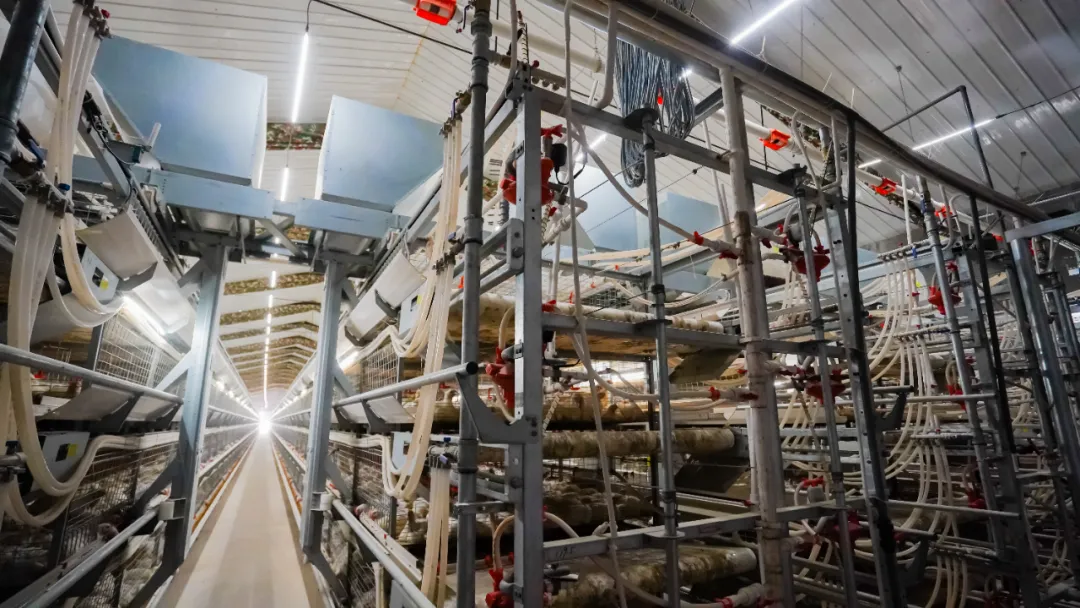
A complete cage project includes feeding, drinking, egg collection, manure removal, and environmental control. Big Herdsman’s current layer-cage content explicitly lists these systems as part of the full solution rather than optional extras.
That is why the project should be designed as a working chain. If the cages are installed first and the rest is added later without a clear plan, the farm often ends up with awkward flow, weak automation, or avoidable retrofitting cost.
Egg collection pathways matter because eggs need a clean, smooth route from the bird area to the collection point. Big Herdsman’s layer-cage and egg-system articles position organized egg flow as a major reason commercial farms adopt structured cage systems.
If egg pathways are planned too late, workers may need to compensate with more manual handling. That is one reason builders often evaluate the cage layout together with recolha automática de ovos rather than leaving the collection logic for later.
Manure routes matter because waste management is one of the biggest daily workflow issues in cage housing. Big Herdsman’s layout guide names manure disposal routes as one of the core planning factors, and its layer-cage product page highlights manure-cleaning design as a key system feature.
If waste flow is not planned early, the project can become harder to clean, harder to ventilate, and more expensive to manage. In a well-built cage house, manure handling is part of the structure, not an afterthought.
Ventilation and climate control should be built into the layout from the start. Big Herdsman’s planning article specifically mentions ventilation and climate control integration, and its layer-cage product page says the climate system helps provide a better environment that can reduce bird mortality and improve laying rate.
That is why builders should include controle ambiental in the cage-system plan rather than treating it as a later add-on. A cage house is only as stable as the climate system that supports it.
Automation affects labor, workflow, and long-term competitiveness. Big Herdsman’s current content consistently frames modern cage systems as automation-ready solutions for feed, egg collection, manure handling, and house control.
Future expansion matters too. A layout that works only for the first phase may become expensive to upgrade later. That is why many buyers choose a plan that fits current budget but leaves space for future automation, extra rows, or system upgrades.
Big Herdsman’s planning article says its engineers produce tailored layout drawings that align cage placement with house design, ventilation, and automation components. That kind of planning is valuable because it reduces mismatch between the drawing and the real farm.
Supplier support also matters after the drawing stage. Installation guidance, training, spare-parts support, and troubleshooting help the cage system work as intended after delivery. In large projects, that support often separates a functional farm from a frustrating one.
Grande pastor
Buyers should avoid choosing the cage type too early, ignoring manure and egg routes, underestimating ventilation, and focusing only on purchase price. Big Herdsman’s own project guidance shows that layout, climate, automation, and service planning are part of the build decision, not side topics.
The best cage system is not just a structure that fits in the house. It is a system that supports management, hygiene, and future growth. If that standard guides the build, the project has a much better chance of long-term success.
The first step is deciding the bird type, production goal, house size, climate conditions, and target automation level.
Choose based on project scale, investment level, and automation needs. A-type is simpler; H-type is denser and more automation-oriented.
Because bird density, feed and water routes, egg pathways, manure routes, and ventilation all affect how the farm works every day.
Yes. Ventilation and environmental control should be integrated from the beginning, not added casually later.
Yes. Drawings, training, spare parts, and troubleshooting all help protect project performance after handover.
 English English
  Spanish
 French
 Russian
 Portuguese
 Arabic
 Chinese
 German
 Italian
 Japanese
 Korean
 Turkish
 Vietnamese
 Thai
Thai
 Dutch
Dutch
 Polish
 Indonesian
 Hindi
Hindi
 Bengali
 Urdu
Urdu