
Le monde réel
Le monde réel
Many buyers hear different terms for poultry farming systems and get confused fast. One market says backyard, another says semi-intensive, another says commercial intensive. Without a clear structure, it becomes hard to choose the right equipment, layout, and investment level. A simple framework makes planning much easier.
The four common poultry production systems are extensive, semi-intensive, intensiveet integrated commercial systems. Different organizations may use slightly different names, but the real difference is the same: the level of housing control, feed management, biosecurity, labor organization, and production efficiency.
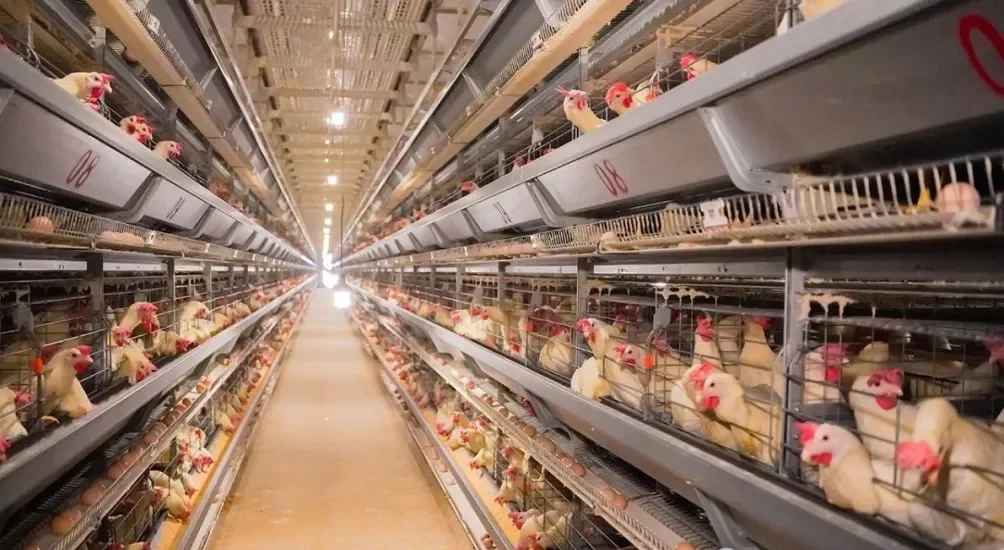
The production system shapes almost every farm decision. It influences building design, bird density, feed delivery, climate control, egg handling, manure removal, labor structure, and after-sales service needs.
For overseas B2B customers, this question is very important. Corporate farms, engineering contractors, and agricultural technology service companies do not just buy machines. They invest in systems that match their business goals. That is why choosing the right production de volaille model should come before final equipment selection.
A practical modern way to explain the four systems is this:
The names vary by country and industry source, but this structure is easy for commercial readers to understand. As farms move from extensive to integrated systems, they usually gain more control, more biosecurity, higher output, and better management consistency.
| System type | Housing control | Feed control | Biosecurity | Equipment level |
|---|---|---|---|---|
| Extensive | Faible | Faible | Faible | Minime |
| Semi-intensive | Modéré | Modéré | Modéré | Basic to mid-level |
| Intensive | Haut | Haut | Haut | Avancé |
| Integrated commercial | Very high | Very high | Very high | Full-system automation |
Extensive poultry production is the lowest-control model. Birds usually rely more on outdoor movement, local scavenging, or basic feeding support. Housing is limited, and management is less standardized.
This model may work for very small farms, but it is usually not the preferred choice for serious commercial investors. It offers less control over bird performance, hygiene, and output. That makes it less attractive to professional farms that need reliable production and clear long-term planning.
Semi-intensive production is a middle path. Birds receive more structured housing and feeding support, but the farm still uses less infrastructure than a fully controlled commercial operation.
For growing farms, semi-intensive systems can be a useful step forward. They often improve productivity without requiring the full capital cost of a high-end industrial setup. In developing markets, this is sometimes the stage where farms begin working with contractors and equipment suppliers to move toward modernization.
Intensive production means birds are kept in a controlled system with stronger management over housing, feed, water, hygiene, and environmental conditions. This model supports better output consistency and makes daily operations easier to standardize.
In practical commercial terms, this is where specialized equipment becomes essential. Farms start depending more on feeders, drinkers, manure systems, egg handling systems, and Contrôle de l'environnement to keep house conditions stable and productive.
Integrated commercial poultry production goes one step further. It combines intensive housing with more complete operational planning, often linking bird management, feed delivery, egg collection, manure handling, and climate systems into one coordinated process.
This is the model most relevant to large poultry businesses. It is designed for scale, efficiency, and long-term consistency. It is also the model where buyers usually expect higher equipment quality, more technical support, and stronger after-sales service from the manufacturer.
Most modern commercial farms operate closer to the intensive or integrated end of the spectrum. They need cleaner workflows, better biosecurity, lower labor pressure, and more stable bird performance.
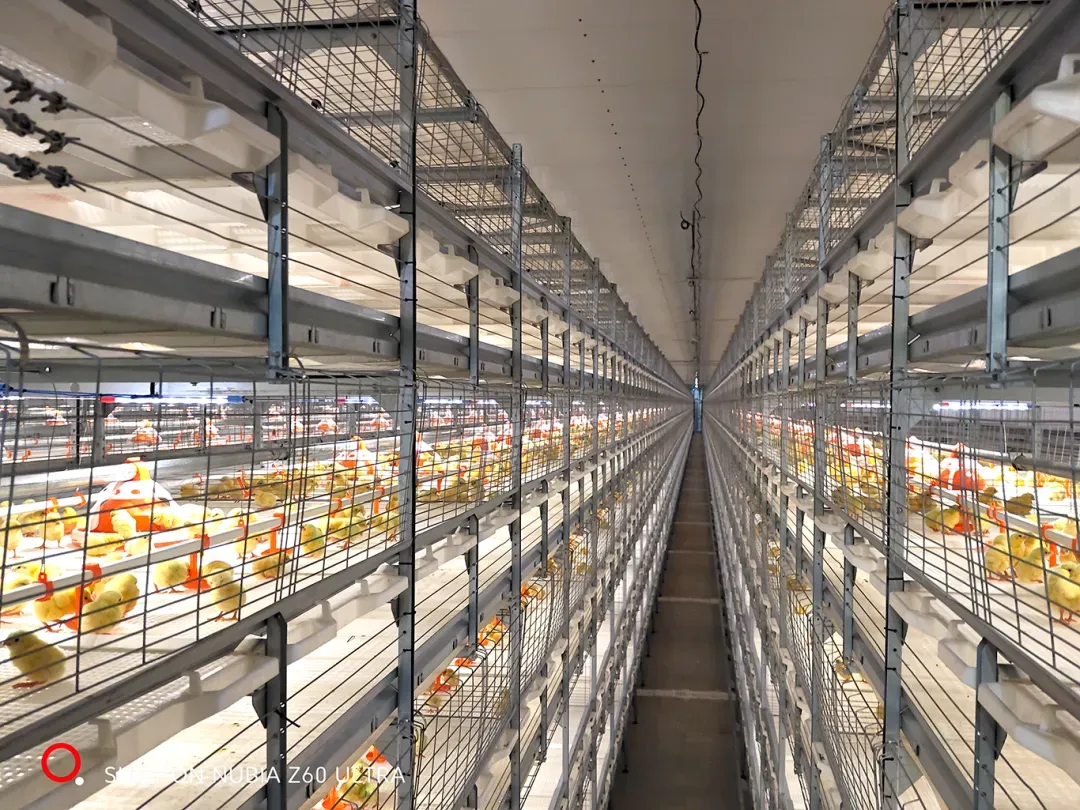
That is why equipment choices matter so much. A project based on élevage de poulets de chair au sol needs a different layout and management focus than a project built for layers or breeders. The system type decides the structure of the entire farm.
The answer depends on production goals. Broilers often work well in controlled floor systems. Layers usually need housing that supports clean egg handling and stable daily routines. Breeders need systems that protect both bird management and egg quality.
That is why serious poultry investors rarely choose equipment by catalog alone. They compare production type, climate, flock scale, and management goals before deciding how the house should be designed and what automation level is justified.
Grand berger
For contractors and service companies, the production system should be matched to the client’s business model. Important questions include:
These decisions affect not only cost, but also the long-term success of the project. A system that looks cheaper at first may become more expensive if it lacks the control needed for stable production.
Because integration reduces friction across the whole farm. When feeding, drinking, manure removal, egg handling, and climate systems are designed to work together, daily operations become smoother and easier to manage.
That is one reason many professional buyers choose solutions such as cage d'élevage de poules pondeuses systems together with ventilation, feeding, and management support. In large projects, separate equipment decisions often create unnecessary gaps. Integrated solutions usually reduce those gaps and improve long-term operating confidence.
The right production system is important, but the right supplier turns the system into a workable reality. Large corporate customers care about equipment durability, technical support, spare parts response, and project coordination over many years.
For modern poultry projects, buyers often prefer suppliers that can support house design, equipment matching, installation guidance, and future upgrades. This is especially true in projects where automation, environment stability, and production continuity all matter at the same time.
A practical commercial classification includes extensive, semi-intensive, intensiveet integrated commercial poultry systems.
Most commercial farms prefer intensive or integrated systems because they offer better control, biosecurity, and production consistency.
In many cases it is close to the extensive end of the spectrum, although exact definitions vary by market and regulation.
Because low-input systems offer less control over hygiene, feed efficiency, labor, and output stability.
Start with flock size, climate, labor structure, egg handling needs, and investment level, then match the system to those realities.
Because once production becomes more controlled and bird density rises, stable house conditions become critical to both bird welfare and performance.
 English English
  Spanish
 French
 Russian
 Portuguese
 Arabic
 Chinese