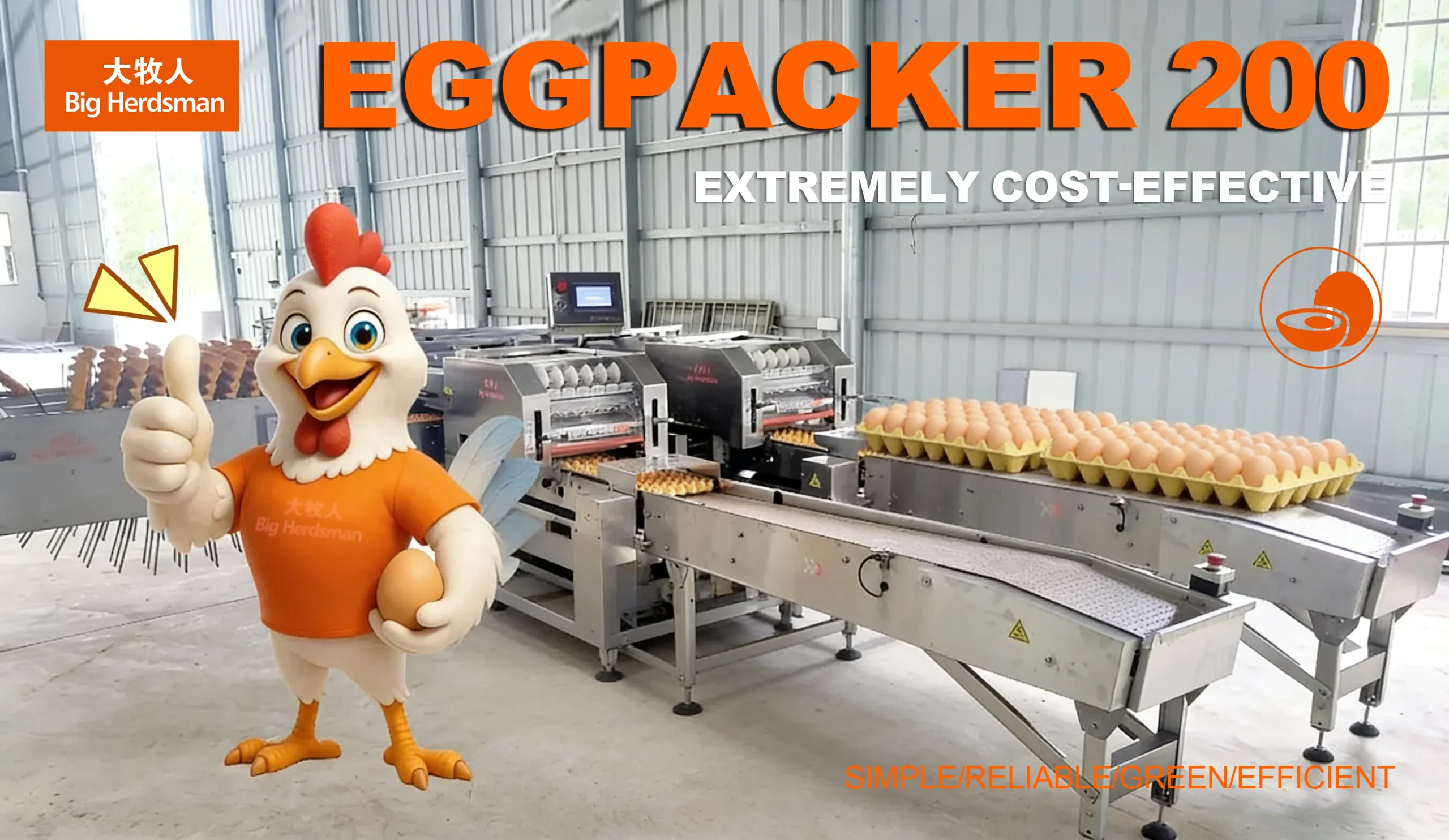
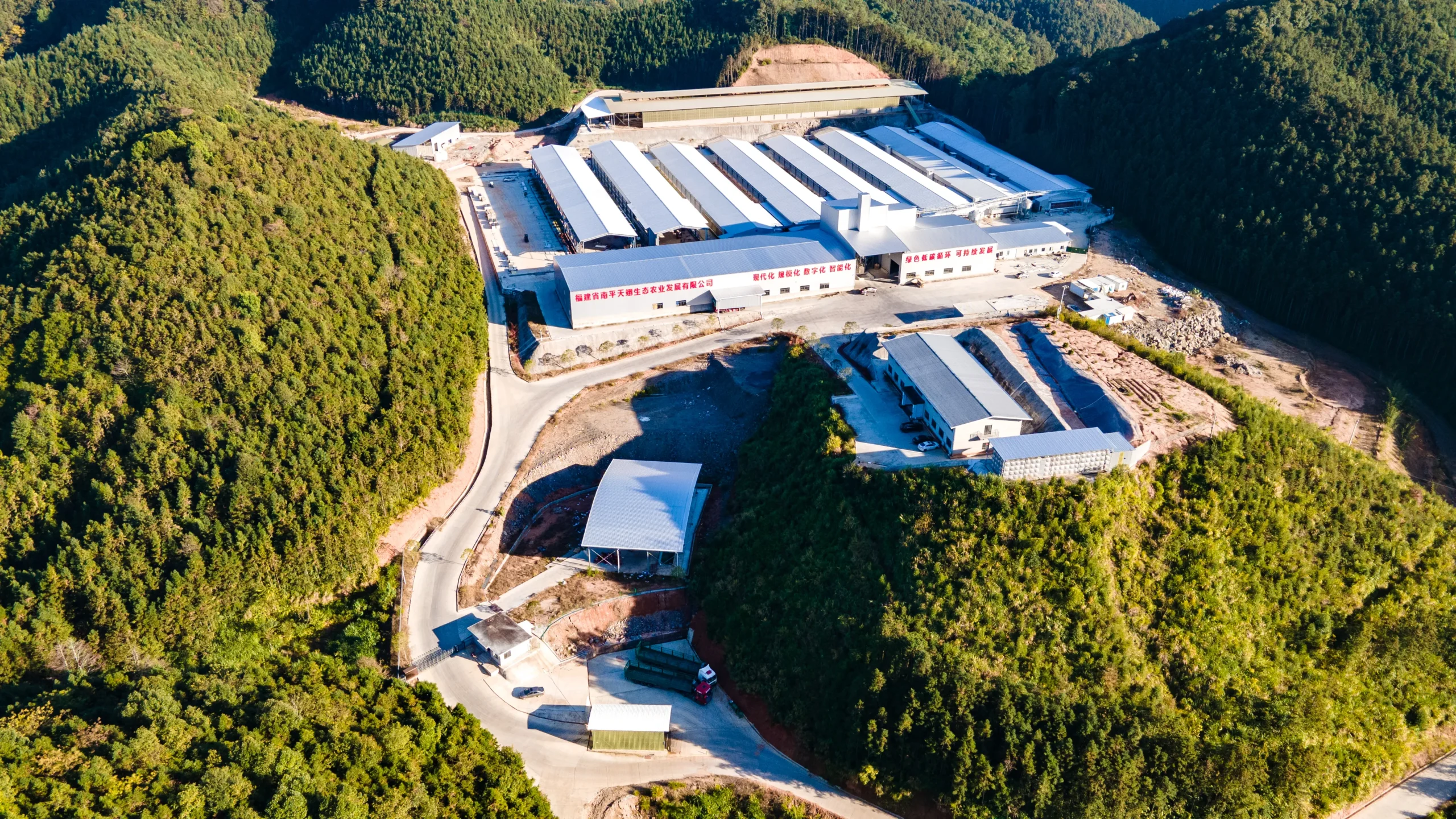
Manual egg collection causes broken eggs, labor waste, and inconsistent egg quality. As poultry farms expand, these problems grow quickly and reduce profits. A modern in-house egg collection system solves these issues by automating egg handling, improving efficiency, and protecting egg quality throughout the collection process.
An in-house egg collection system is an automated collection system used in poultry farms to collect eggs from nests or cages using egg belts, trays, elevators, and conveyors. It improves egg quality, reduces labor costs, minimizes broken eggs, and supports efficient breeder management and egg production.
An egg collection system is a mechanical solution designed to automate the process of gathering eggs inside poultry houses. Instead of workers carrying eggs manually in egg baskets or trays, eggs move automatically through belts and conveyors.
In a modern poultry farm, the collection system transfers eggs from the nest or cage directly to a central packing or egg storage area.
Efficient egg collection is essential for maintaining high egg quality and reducing losses.
If eggs remain too long in the nest or on the house belts, farms may experience:
In breeder operations, poor handling of the eggs directly affects chick quality and hatchery performance.
Benefits of Proper Egg Collection
A reliable system helps farms collect eggs quickly while maintaining hygiene standards.
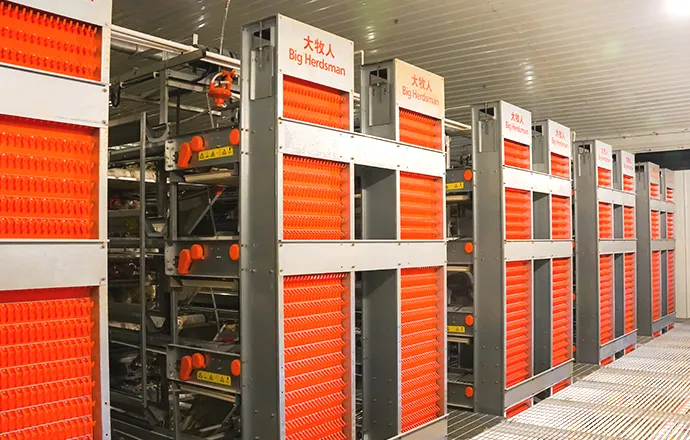
An automatic egg collection system uses synchronized mechanical systems to transport eggs gently from the nest area to a central collection point.
Basic Collection Process
Some large poultry houses use 2 egg belts to improve collection capacities.
The system is designed to move eggs gently and reduce the risk of cracks or damage.
Proper egg handling is critical for maintaining egg quality.
When farms use poor collection methods, eggs may become dirty, cracked, or contaminated during transport.
Good Egg Handling Improves:
Automated systems reduce manual contact and help maintain cleaner eggs.
This is especially important in breeder farms where hatching egg quality directly affects incubation performance.
Good breeder management directly influences hatchability and chick performance.
Eggs that are poorly stored or handled may lose fertility and reduce incubation success.
Important Breeder Management Factors
The hatchery process depends heavily on the quality of eggs collected during early production.
Big Herdsman systems help farms improve breeder management through efficient automation and consistent collection timing.

Following best practices helps farms maintain stable production and reduce losses.
Recommended Practices
Farms should also monitor:
These small details can significantly improve daily production results.
Choosing the correct egg collection system depends on several operational factors.
Selection Checklist
Important Questions
At Big Herdsman, we tailor each system to local conditions, production goals, and management requirements.

Big Herdsman Machinery Co., Ltd. is more than a supplier of poultry equipment. We are a complete solution provider.
Our Advantages
Our systems are designed to improve:
We help poultry farms build smarter and more sustainable operations.
It is an automated system used in poultry farms to collect and transport eggs from nests or cages to a central collection area.
The system moves eggs gently through belts and conveyors, reducing manual handling and impact damage.
A good nest design reduces floor eggs, improves hygiene, and protects egg quality.
Egg belts transport eggs smoothly from the laying area to the collection point.
Proper breeder management improves egg quality, storage conditions, and incubation success.
Yes. Modern systems can be tailored for different poultry house layouts and production capacities.
 English English
  Spanish
 French
 Russian
 Portuguese
 Arabic
 Chinese
 German
 Italian
 Japanese
 Korean
 Turkish
 Vietnamese
 Thai
Thai
 Dutch
Dutch
 Polish
 Indonesian
 Hindi
Hindi
 Bengali
 Urdu
Urdu